
Comparisons
What Is the Biggest Zoo in the Netherlands? Size and Species Compared
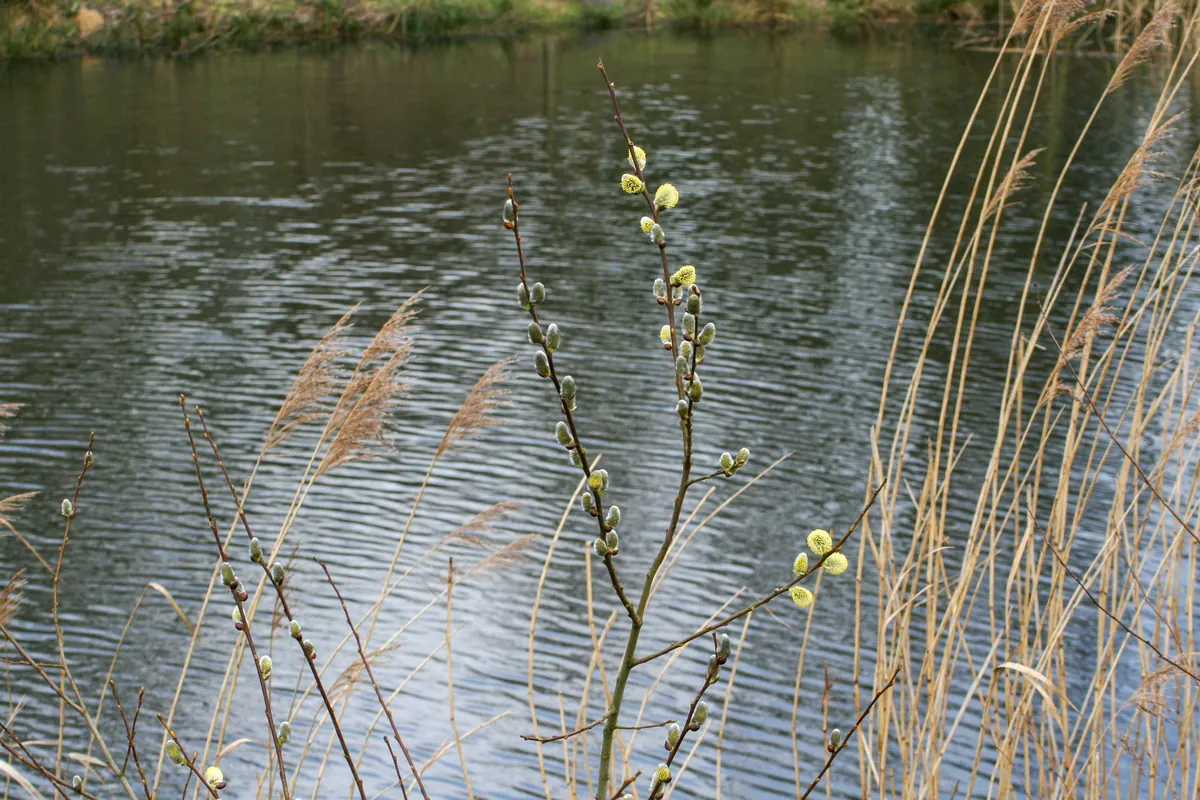
By land area, the biggest zoo in the Netherlands is Safaripark Beekse Bergen: 120 hectares in Hilvarenbeek, the largest animal park in the Benelux, and in 2024 the most visited Dutch zoo as well, with a record of more than 1.5 million visitors. Count species instead and the zoos with big aquariums pull ahead: Royal Burgers' Zoo in Arnhem has more than 500 species on 45 hectares, against Beekse Bergen's more than 100.
Which zoo to choose
Dutch Wikipedia's list of Dutch zoos gives these areas and visitor numbers:
- Safaripark Beekse Bergen, Hilvarenbeek: 120 hectares, 1,560,000 visitors in 2024
- Landgoed Hoenderdaell, Anna Paulowna: 64 hectares, 300,000 visitors in 2024
- Royal Burgers' Zoo, Arnhem: 45 hectares, 1,074,594 visitors in 2024
- **Diergaarde Blijdorp (Oceanium)**, Rotterdam: 28 hectares, 1,412,295 visitors in 2024
- **Wildlands**, Emmen: 24 hectares, 951,000 visitors in 2024
- **GaiaZOO**, Kerkrade: 18.5 hectares, 475,000 visitors in 2023
- **Artis Zoo**, Amsterdam: 14 hectares, 1,272,515 visitors in 2024
Blijdorp puts its own size at 25 hectares. It was the most visited zoo in the country for nine years, until Beekse Bergen overtook it in 2024; on that list, only Beekse Bergen drew more visitors that year. At Hoenderdaell, second by area, a day costs from €18 per person.
What size means for your day depends on how it is used. Beekse Bergen spreads its animals along safari routes you cover by car, boat, bus and on foot, so most visitors stay the whole day. Burgers' Zoo puts whole landscapes under cover, which makes it the better bet when rain is forecast. Blijdorp and Wildlands are both within walking distance of a railway station.
Safaripark Beekse Bergen: the biggest by area
Featured location Safaripark Beekse Bergen Hilvarenbeek, Netherlands The park sits between Tilburg and Hilvarenbeek, with zebras and giraffes on wide savannah areas. Four safari formats are on offer, on foot, by car, by bus and by boat, and visitors may drive their own vehicle through with no barrier between them and the animals.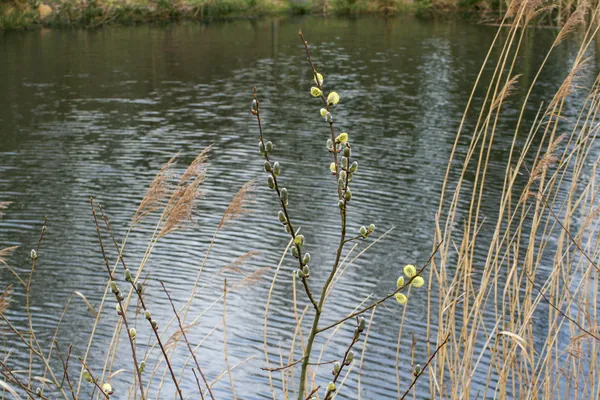
Beekse Bergen, in Hilvarenbeek in North Brabant, is the only safari in the Netherlands you can do by car, boat, bus and on foot, and every one of those safaris is included in your ticket, with nothing to book ahead. You'll come face to face with more than 100 species of wild animals, and the park says it is the only place in the country where you can see all of the Big Five.
Plan on the whole day: that is what most visitors spend here. The self-drive car safari alone takes about an hour and runs in poor weather too, and the bus safari only runs between 1 October and 31 March. Banji, a black rhinoceros calf, was born at the park. Only two to three eastern black rhinos are born in Europe each year, and this calf is only the fourth ever born in the Netherlands.
Royal Burgers' Zoo, Arnhem: rainforest, desert and ocean indoors
Burgers' Zoo covers 45 hectares and, by Wikipedia's count, more than 10,000 animals of more than 500 species. The Bush, opened on 1 June 1988, is 1.5 hectares of covered tropical rainforest. The Ocean holds eight million litres of water, and its 750,000-litre living coral reef is the largest living coral reef in Europe. The Mangrove, the largest indoor mangrove in the world, has manatees, butterflies and many species of crab.
Two projects are recent. The Desert, the largest indoor rocky desert in the world, reopened on 9 July 2026 after months of renovation, with the gopher tortoise released as a new species. Next, the zoo is developing the world's largest seagrass aquarium, of more than 50,000 litres.
Diergaarde Blijdorp, Rotterdam: a city zoo with an ocean
Our directory lists Rotterdam's zoo under its aquarium, the Oceanium. Blijdorp puts its size at 25 hectares, and Wikipedia counts 562 species here as of October 2023. The zoo became almost twice as large in 2001, when it opened a western part that includes the Oceanium, where a shark tunnel runs through the largest aquarium for North Sea fish species. Elsewhere you'll meet Asian elephants, Sumatran tigers and Asian lions in Asian Corridors, and red pandas and tufted deer on the monumental Mountain Animals Rock.
2026 has brought new faces. A bull elephant, Nuka, arrived from Veszprém Zoo in Hungary on 13 March, and in June a group of four gorillas, three females and a silverback, went on show; they are housed here only temporarily. The zoo says you can do its whole world tour in one day.
Wildlands, Emmen: the biggest jungle hall
Wildlands opened in March 2016, replacing the old Emmen Zoo, and shows more than 250 species in three worlds: Jungola, Nortica and Serenga. The highlight of Jungola is the Rimbula rainforest hall: at 18,000 square metres, it is the largest zoo jungle hall in the world and the largest greenhouse in Europe. The Rimbula River boat trip takes you past the elephants and monkey islands, and in Serenga the Serenga Safari ride passes zebras, rhinos, giraffes, camels and onagers.
Two things are new this year. Yunka, a South American habitat with sloths, iguanas, birds and several monkey species, opened earlier in 2026, and new viewing towers have been open since 4 July 2026.
GaiaZOO, Kerkrade: the smallest of the five
GaiaZOO covers 18.5 hectares but holds more than 150 species, from lions, giraffes, gorillas and rhinos to red pandas and wolverines, spread over four areas: Taiga, Limburg, Rainforest and Savanna. Check what is open before you go. The Puna aviary is closed for refurbishment, and the former wolf and owl enclosure is being redesigned, so the Taiga route has changed.
Tickets and saving money
All prices were checked in September 2026:
- Beekse Bergen: €32.50 at the ticket office for ages 12 and up, or from €28.50 online; €30.50, or from €26.50 online, for ages 3-11. Buy at least three days ahead for a €5 early bird discount.
- Burgers' Zoo: €31 for adults at the gate or €30 online; €28.50 or €27.50 for children aged 4-9; under-4s go free.
- Wildlands: from €25 online or from €26 at the gate for ages 10 and up, depending on the date.
- GaiaZOO: €28.50 for ages 10 and up and €23.50 for ages 3-9 at the box office; booking online saves up to €4 per person.
The combination deal worth knowing is in Arnhem. Burgers' Zoo is next to the Dutch Open Air Museum, and a combi-card for both costs €46 for adults and €36 for children, covering one visit to each within five days. It is sold only at the two attractions' cash registers, so you can't buy it online.
A few more ways to pay less: a Rotterdampas gets you into Blijdorp once for €5. A Burgers' Zoo annual pass brings discounted entry at other zoos in the Dutch Zoo Federation (NVD). At Wildlands, hand in your day ticket after your visit and you get €10 off an annual pass. And in Amsterdam, Artis sells a weekday ticket from 16:00 for €15 from September, against from €29.50 online for a full day.
Best time to visit
Opening hours for autumn 2026:
- Beekse Bergen: 09:30-17:30, checked September 2026; check the park's calendar for your date.
- Burgers' Zoo: open every day of the year, 9 a.m.-6 p.m. until 25 October 2026; last winter it opened 9 a.m.-5 p.m.
- Blijdorp: every day, until 18:00 in summer and 09:00-17:00 in winter.
- Wildlands: 10:00-17:00 until 1 November, 11:00-16:00 from 2 November to 17 December, and 11:00-21:00 from 18 December to 3 January; closed on 31 December and 1 January.
- GaiaZOO: 10:00-17:00 until 1 November, with last admission half an hour before closing.
School holidays matter: Blijdorp says holidays and the weather play a significant role in how busy it gets, and that weekends and Wednesdays are often busy. The autumn holiday falls on 10-18 October or 17-25 October 2026, depending on the region, and the Christmas holiday runs from 19 December 2026 to 3 January 2027.
At Beekse Bergen, the time of day matters too: many animals are more active in the morning and late afternoon, which is why many visitors start early. A winter visit brings extras. The bus safari runs from 1 October, and from 26 November to 28 February the park puts on a Light Safari of illuminated figures.
Getting there
- Beekse Bergen: take the train to Tilburg Central Station, then bus 142 or 143 to the Safaripark stop. A parking token costs €9.50.
- Burgers' Zoo: bus 3 runs from Arnhem Central Station every fifteen minutes and stops right outside the main entrance. Parking costs €10.
- Blijdorp: the Riviera hall entrance is about a 10-minute walk from the back of Rotterdam Central Station. The P1 car park in front of the main entrance costs €12.50 a day.
- Wildlands: about 15 minutes on foot from Emmen station. It has no car park of its own, but there is enough parking nearby.
- GaiaZOO: half an hour's drive from Maastricht and 20 minutes from Aachen, and the GaiaZOO bus stop is directly opposite the entrance. Parking costs €9. Until 30 October, roadworks on the N300 between the Avantis roundabout and the GaiaZOO exit come with a large-scale diversion.
With kids and accessibility
Burgers' Zoo and GaiaZOO are both hilly. Burgers' Zoo warns that pushing a wheelchair up and down its Arnhem paths can be very heavy going; it lends push wheelchairs to anyone aged six and up against a €2 coin. At GaiaZOO, some paths can be hard going for wheelchair users too; it lends a limited number of wheelchairs free of charge, and they can't be booked in advance.
Beekse Bergen has the first Changing Place in the Netherlands, a care and toilet room for visitors with disabilities who need more space, and its walking and boat safaris are accessible by wheelchair. Blijdorp is accessible for wheelchair and mobility scooter users and rents strollers at the entrance for €3.50. At Wildlands, all shows, presentations, restaurants and shops can be reached by wheelchair; wheelchairs, buggies and ear defenders for a quieter visit cost €5 each, plus a €20 deposit.
For a rainy day with children, Burgers' Zoo has had an indoor play area, the Kids Jungle, since 2012, and GaiaZOO's DinoDome is Europe's largest indoor dinosaur playpark.
Frequently asked questions
- Is there a zoo in Amsterdam?
Yes: Artis, the oldest zoo in the Netherlands, in the centre of Amsterdam. Trams 7 and 14 stop right in front of its main entrance, and the Aquarium and Planetarium are included in a zoo ticket.
- How big is Amsterdam Zoo?
Artis covers 14 hectares, according to Dutch Wikipedia's list of Dutch zoos, which makes it the smallest by area of the zoos listed in this guide. It still holds 900 species by Wikipedia's count, and it drew 1,272,515 visitors in 2024.
- Is Rotterdam Zoo big?
Blijdorp puts its size at 25 hectares, about a fifth of Beekse Bergen's 120, but Wikipedia counts 562 species there. It is one of the busiest zoos in the country, too: 1,412,295 visitors in 2024, second only to Beekse Bergen in Dutch Wikipedia's list.
- Does Rotterdam Zoo have pandas?
Red pandas, yes: they live with tufted deer on the Mountain Animals Rock in Blijdorp's Himalayan Peaks area. For giant pandas you need a different zoo: Ouwehands Dierenpark in Rhenen brought them over on loan from China in 2017, so check with Ouwehands before you travel.
Plan your visit to Netherlands
See all 32 zoos, aquariums and wildlife attractions in Netherlands, with opening hours, ticket prices and accreditation.
Browse NetherlandsMore guides
-
 Trip Planning
Emmen Zoo Animals: What You Can See at Wildlands
A world-by-world guide to the animals at Wildlands in Emmen, from Jungola's elephants to the new South American jungle area, Yunka. -
 Day Trips
Safari Parks in Germany: Where You Can Drive Among the Animals
Germany's two drive-through safari parks compared on price, rules and timing, plus the zoos where a boat safari beats taking the car. -
 Trip Planning
What Is the Biggest Zoo in the UK?
Whipsnade is the UK's biggest zoo by area; Chester has more animals. Compare five giants on size, time, tickets and access, then pick your day out.