
Aquariums of the World
Explore all 243 aquariums across 51 countries, with opening hours, ticket prices and accreditation for each one.
Browse all venues A–Z, cities, or countries.
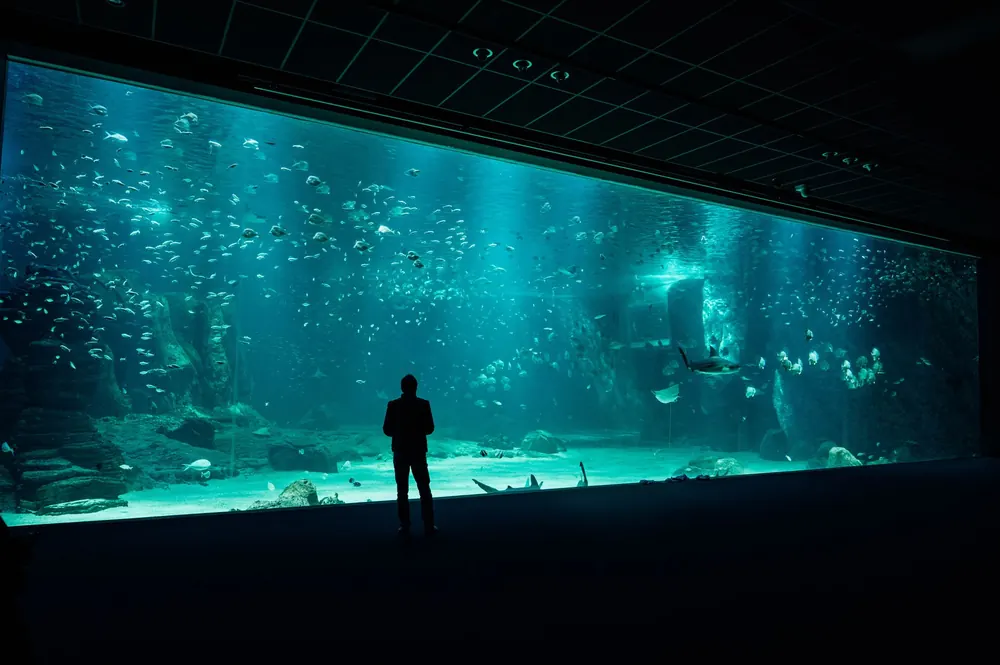
World's Most Popular Aquariums
The aquariums that captured the world's attention. Ranked by how far their fame travels.
-
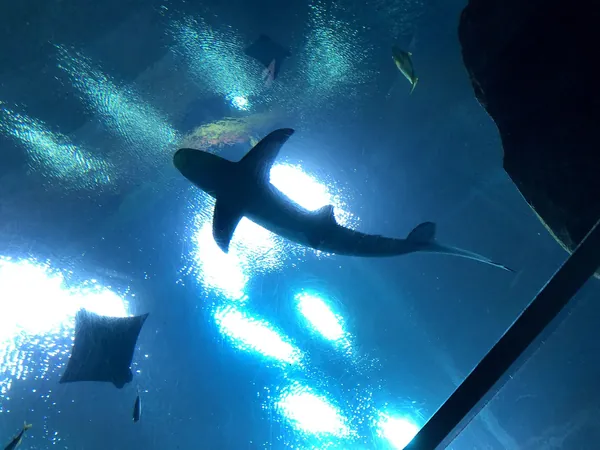
Georgia Aquarium
Atlanta Its seven principal galleries contain upwards of 11 million US gallons of water. Nothing larger existed between its opening in 2005 and 2012, the year S.E.A. Aquarium in Singapore and China's Chimelong Ocean Kingdom surpassed it. It remains sixth in the world by size and the biggest anywhere in the United States. Immersive media attraction -

California Academy of Sciences
San Francisco Its origins lie in a learned society of 1853, and it was rebuilt from scratch in 2008. The main building, in Golden Gate Park, covers 400,000 square feet. Overnight stayGuided tourOn-site dining -

Tierpark Hagenbeck
Eimsbüttel Tierpark Hagenbeck GGmbH, opened in 1907, is a zoo in Germany. Animals on show include Weißrüssel-Nasenbären, Seebären, Rote Riesenkängurus, Sumatra Orang-Utans and Stachelschweine. On-site diningParkingWheelchair accessible routes -
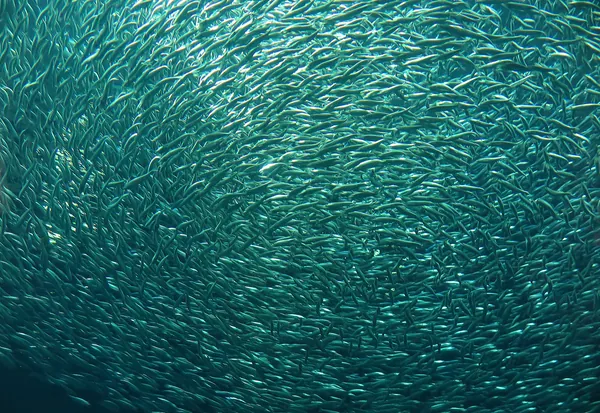
Monterey Bay Aquarium
Monterey The aquarium shows 35,000 animals of over 550 species in 2.3 million gallons of water. Its staff pioneered jellyfish husbandry and were the first to keep and display a great white shark.
Best Documented Aquariums Worldwide
The aquariums we know inside out. Hours, tickets, accreditation, photos — the ones with the full picture.
Explore by Country
Select a country below to discover local aquariums, check opening hours and prices, and plan your visit.
-
 United States
79 Aquariums
-
 Japan
17 Aquariums
-
 Spain
15 Aquariums
-
 France
14 Aquariums
-
 United Kingdom
11 Aquariums
-
 Germany
9 Aquariums
-
 Netherlands
8 Aquariums
-
 Australia
5 Aquariums
-
 Brazil
5 Aquariums
-
 Canada
5 Aquariums
-
 Denmark
5 Aquariums
-
 Italy
4 Aquariums
-
 Norway
4 Aquariums
-
 Portugal
4 Aquariums
-
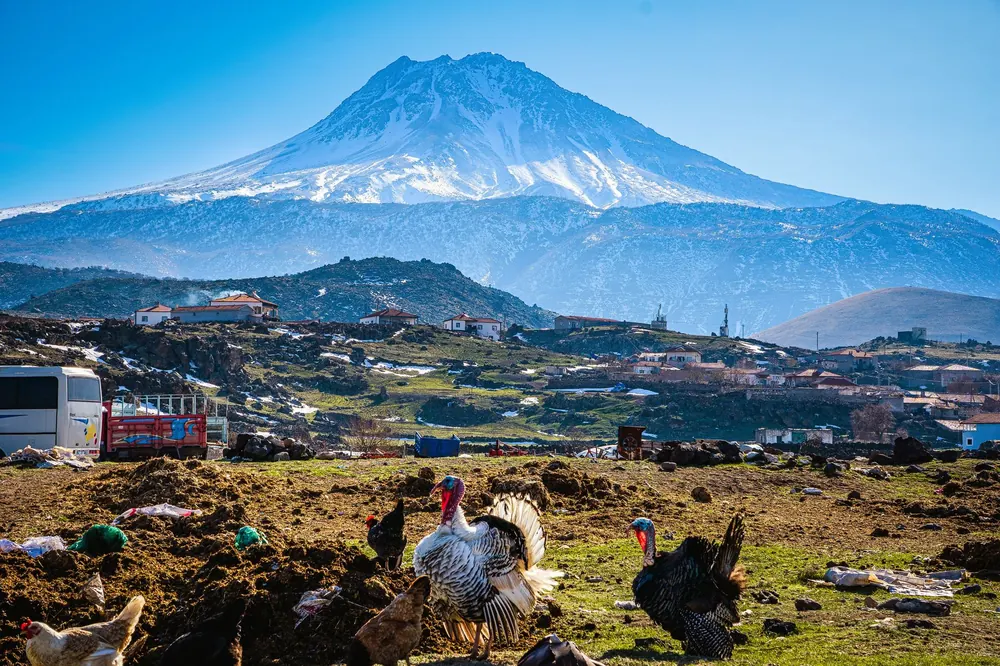 Turkey
4 Aquariums
A Brief History of Public Aquariums
A zoo can be built anywhere there is ground to fence. An aquarium had to be invented, because water goes foul: seal it and it kills what lives in it.
The breakthrough was a balanced jar of water
The answer arrived in 1850, when the chemist Robert Warington reported to the Chemical Society that two goldfish, a stand of eelgrass and a few snails had held one another in balance in the same twelve gallons for the better part of a year — the plants returning the oxygen the fish spent — with the water never once changed.
Others had reached parts of it first
Jeanne Villepreux-Power was building glass observation tanks in Sicily from 1832; Anna Thynne kept corals alive in a London drawing room from 1846 by pouring seawater back and forth in front of an open window, before she thought to add seaweed.
What turned the principle into an institution was a tax
Britain repealed its duty on glass in 1845, panes became large and cheap, and water could be looked through rather than down into. London Zoo opened its Fish House in 1853, the first public aquarium in the world, and the naturalist Philip Henry Gosse gave the thing its name in a book the following year.
For a century, the limit was engineering
The animals absorbed the shortfall. P. T. Barnum installed two belugas in a brick tank in his museum basement in 1861, in tepid fresh water under gas lamps; they were dead within days, and he sent for more. Ambition outran plumbing in gentler ways too — Chicago's Shedd Aquarium, opening inland in 1930, ran twenty railway tank cars on eight round trips to Key West to import a million gallons of the Atlantic.
Then spectacle became an industry
Marineland followed in 1938, built as an underwater film studio and inventing the oceanarium along the way; SeaWorld made the orca show an industry from 1964; Monterey Bay grew a living kelp forest in 1984 on seawater pumped straight from the bay.
The hard question stopped being technical
Then the binding constraint stopped being material. Blackfish put Tilikum's story in front of a mass audience in 2013, SeaWorld ended orca breeding in 2016 and said that generation would be its last, and Canada banned the keeping of whales and dolphins in 2019, exempting only the animals already in tanks. What an aquarium can build stopped being the hard question some time ago. What it can justify holding is.
Related Guides
Written guides to aquariums around the world.
-
Comparisons
The Largest Aquariums in the US, and Which Are Worth the Trip
Georgia Aquarium is the biggest in the US, but is it your best trip? Five giant aquariums compared, with ticket prices for three of them. -
 Trip Planning
Is Osaka Aquarium Kaiyukan Worth It?
What you see at Osaka Aquarium Kaiyukan, the 2026 rule changes to know, and two other Osaka options if the answer is no. -
 Day Trips
Jerusalem Zoo and Aquarium: Visiting Both in One Day
Can you fit Jerusalem's Biblical Zoo and the Israel Aquarium into one day? Which to see first, the cut-off times, and what the tickets cost.