
Zoos of the World
Explore all 1112 zoos across 98 countries, with opening hours, ticket prices and accreditation for each one.
Browse all venues A–Z, cities, or countries.
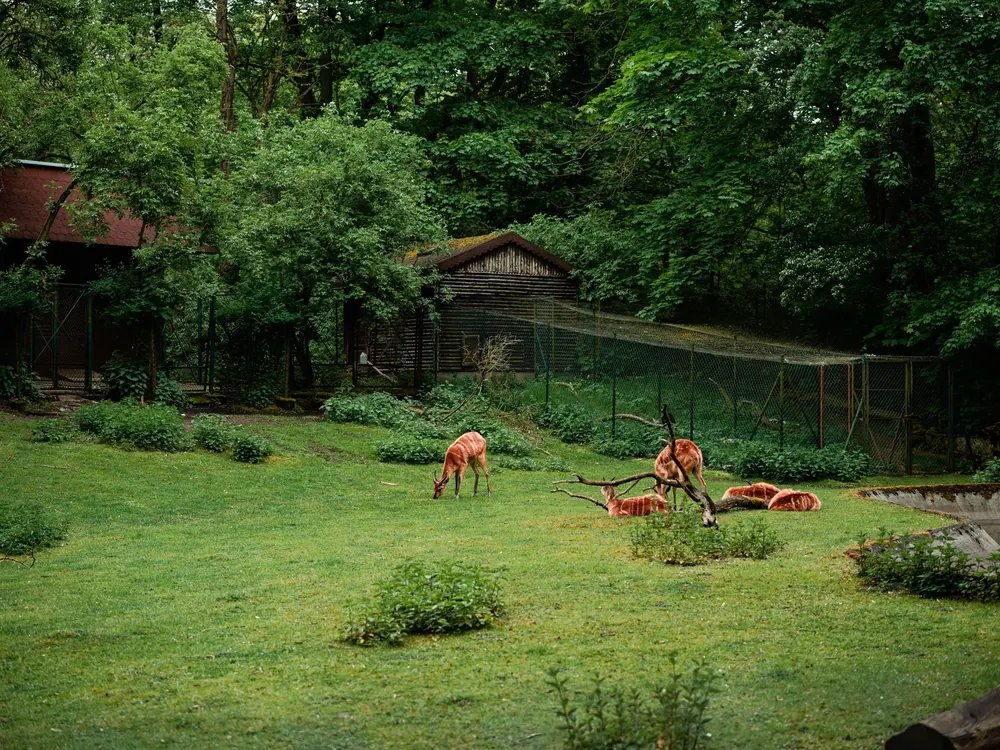
World's Most Popular Zoos
The zoos that captured the world's attention. Ranked by how far their fame travels.
-
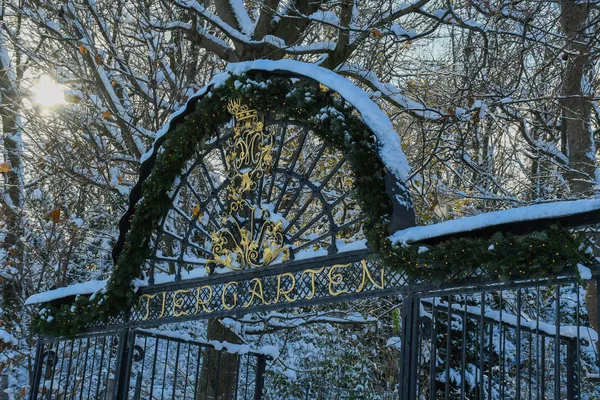
Tiergarten Schönbrunn
Wien Founded in 1752 by the Habsburgs within the grounds of Schönbrunn palace, the zoo occupies 17 hectares and holds about 7,800 animals of 700 species. Attendance has topped two million every year since 2006. The zoologist Stephan Hering-Hagenbeck has been director since 2020. Behind-the-scenes tourParkingSensory and cognitive support -
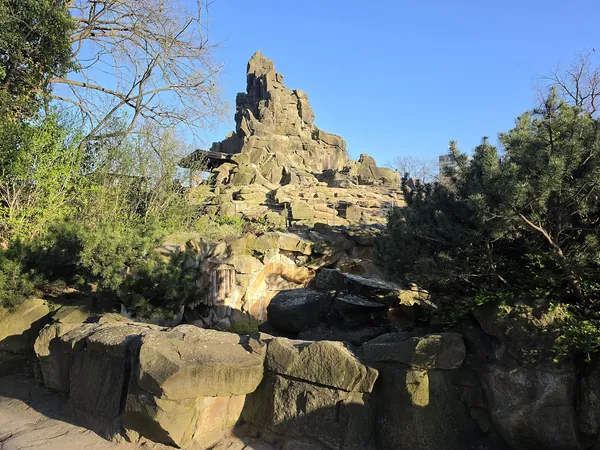
Zoologischer Garten Berlin
Berlin Around 20,000 animals of about 1,000 species are kept on 33 hectares. The grounds lie at Hardenbergplatz in the Tiergarten locality of the Mitte borough, on the boundary with Charlottenburg. With 3.6 million visitors recorded in 2024, it was the most-visited zoo in Europe. Child friendlyDisability admission concession -
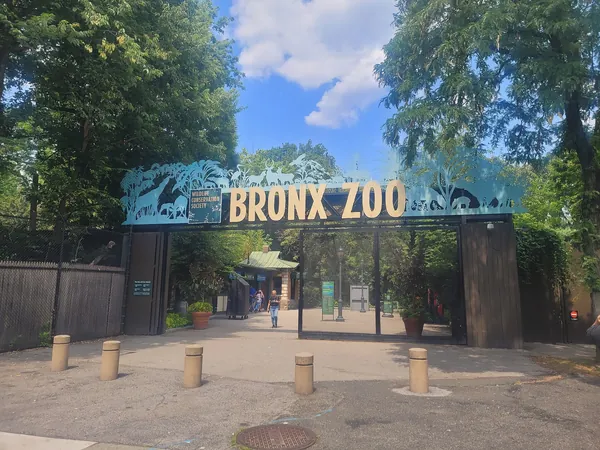
Bronx Zoo
New York City The zoo covers 265 acres of parkland and habitats, divided by the Bronx River. As of 2010 it held over 4,000 animals of 650 species. Attendance averaged 2.1 million visitors a year as of 2009. Night and evening openingMobility equipment loanParking -
London Zoo
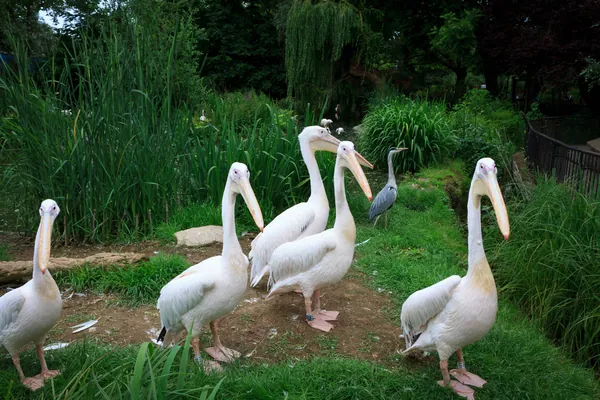
London The zoo opened on 27 April 1828, first as a scientific collection, with the general public admitted from 1847. Peak figures reached three million visitors a year and more than 900 species on show.
Best Documented Zoos Worldwide
The zoos we know inside out. Hours, tickets, accreditation, photos — the ones with the full picture.

Explore by Country
Select a country below to discover local zoos, check opening hours and prices, and plan your visit.
-
 United States
267 Zoos
-
 Germany
152 Zoos
-
 United Kingdom
96 Zoos
-
 France
66 Zoos
-
 India
38 Zoos
-
 Australia
30 Zoos
-
 Canada
29 Zoos
-
 Japan
29 Zoos
-
 Netherlands
29 Zoos
-
 Spain
24 Zoos
-
 Czech Republic
23 Zoos
-
 Brazil
19 Zoos
-
 Austria
18 Zoos
-
 Denmark
15 Zoos
-
 Switzerland
15 Zoos
A Brief History of Public Zoos
For most of history, a collection of wild animals was private property, and its purpose was power. The journey from a monarch's trophy to a public institution took roughly three centuries.
The first zoos were royal show-pieces
The oldest zoo still operating, Tiergarten Schönbrunn in Vienna, opened in 1752 as an imperial menagerie — thirteen enclosures radiating from a pavilion where the Habsburgs ate breakfast and watched. The public wasn't let in until 1779, and then only on Sundays, and only if dressed with decorum.
The Revolution made animals public property
Paris settled the question less politely. The Revolution nationalised the royal gardens in 1793, and the surviving animals of Versailles — spared after a naturalist argued that killing them would be a crime against science — were carted to the Jardin des Plantes as public property.
London took the slowest route — and gave us the word “zoo”
The Zoological Society opened its Regent's Park gardens in 1828 for its Fellows to study, and didn't admit paying visitors until 1847. Even the name came from outside: “zoo” was a clipping the Society never chose, carried into common use by a music-hall song. When the Tower of London's six-hundred-year-old royal menagerie was wound up after George IV died, its animals went to Regent's Park too — a crown's private spectacle emptied into a public institution.
One man designed the modern zoo — after testing it on people
What a visit looks like was settled largely by Carl Hagenbeck, the Hamburg dealer who supplied much of Europe's early zoo stock. In 1896 he patented a system of hidden moats and artificial rock that made bars unnecessary, and built it at scale at his Tierpark outside Hamburg in 1907. Most enclosures since descend from it.
He had tried the technique on people first. Hagenbeck was among Europe's most successful promoters of ethnographic shows, and the immersive “native village” came before the naturalistic habitat. The same trade put Ota Benga, a Congolese man, in the Bronx Zoo's monkey house in 1906, where he stayed until Black ministers forced the exhibit shut.
Conservation became the point — then the law
What these places are for has been contested ever since, and the answer has slowly hardened into law. Jersey Zoo was founded on conservation in 1959; American zoos began coordinating breeding across institutions in 1981; the Arabian oryx, extinct in the wild by 1972, was bred back from zoo stock and returned to the desert. Since the European Zoos Directive of 1999, conservation is not an aspiration but a condition of the licence — a collection that does not do it is not, legally, a zoo.
Related Guides
Written guides to zoos around the world.
-
 Comparisons
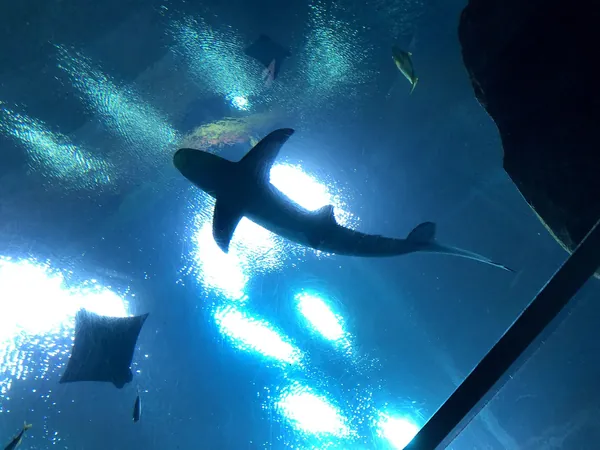
The Largest Aquariums in the US, and Which Are Worth the Trip
Georgia Aquarium is the biggest in the US, but is it your best trip? Five giant aquariums compared, with ticket prices for three of them. -
 Day Trips
Safari Parks in Germany: Where You Can Drive Among the Animals
Germany's two drive-through safari parks compared on price, rules and timing, plus the zoos where a boat safari beats taking the car. -
 Trip Planning
What Is the Biggest Zoo in the UK?
Whipsnade is the UK's biggest zoo by area; Chester has more animals. Compare five giants on size, time, tickets and access, then pick your day out.