
Comparisons
Taronga Zoo vs Sydney Zoo: Which Sydney Zoo Should You Visit?
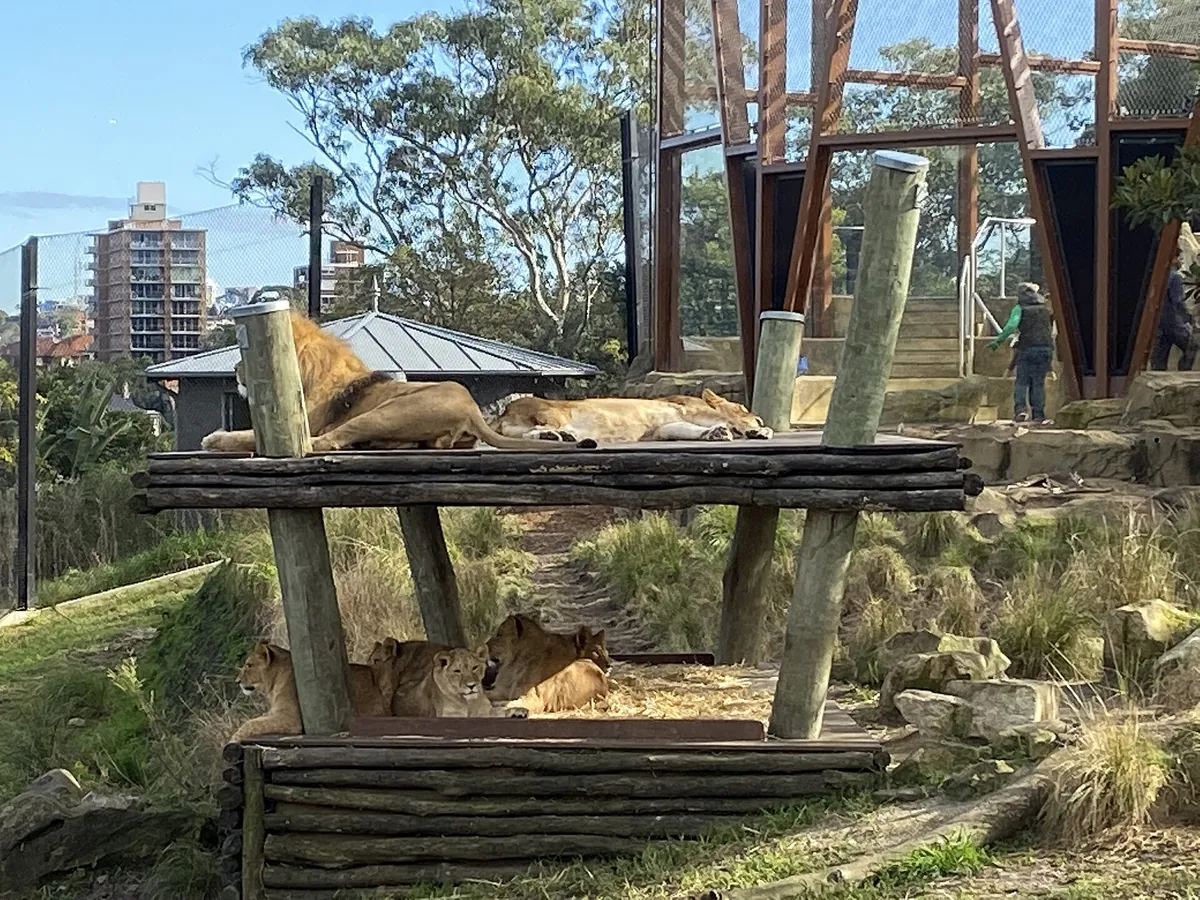
Pick Taronga Zoo if you want the classic Sydney day out: a 12-minute ferry from Circular Quay, harbour views, platypus, gorillas and sea lions. Pick Sydney Zoo in Western Sydney if you are driving, pushing a pram or want to see elephants: it has Sydney's only elephants and its only white rhino, parking is free, and there are no stairs anywhere in the zoo. Taronga is the bigger of the two, at 28 hectares against 16.5.
Which zoo to choose
The two zoos make for very different days. Taronga is the harbour zoo, reached by ferry, with steep paths and big views. Sydney Zoo is the flat, drive-in zoo out west, 38 kilometres from the CBD, with a free car park on site. Both have koalas, kangaroos, tigers, lions, giraffes and meerkats, so the choice usually comes down to setting, travel and a few headline animals. For zoos and aquariums elsewhere in the country, start from our Australia page.
Taronga Zoo: the harbour classic
Taronga opened on 7 October 1916 and cares for more than 4,500 animals on 28 hectares of hilly ground. Its line-up includes koalas, platypus, Australian sea lions, Sumatran tigers, western lowland gorillas, chimpanzees, red pandas, sun bears, pygmy hippos and a greater one-horned rhino.
Two things set it apart. The first is the Australian section: Nura Diya Australia is a 400-metre trail past kangaroos and dingoes, up into the tree canopy to see koalas, then into the dark for nocturnal animals. The second is the presentations. Seals for the Wild runs daily at 11am and 2pm, and in Free Flight Birds, at 12pm and 3pm, the birds fly out over Sydney Harbour. If reptiles are your thing, the Amphibian and Reptile Conservation Centre opened in June 2024 with more than 40 species.
Two changes are worth knowing about. The Sky Safari cable car retired in 2023 and is not due back until late 2027, so for now you walk the hill or take the Wildlife Express train. And a new Taronga Wildlife Hospital, Australia's first specialist wildlife veterinary teaching hospital, is due to open in late 2026, with a chance for guests to glimpse its work.
Featured location Taronga Zoo Mosman, Australia SEAZAWAZA-WP The zoo occupies 28 hectares, split into zoogeographic regions. Its name is an Aboriginal word for a fine outlook. From September to April it closes at 5pm.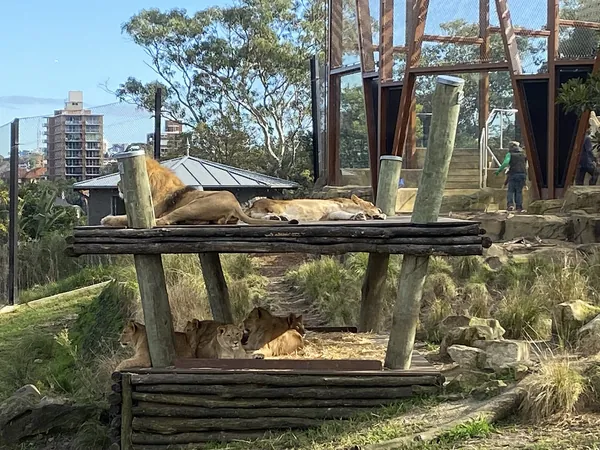
Sydney Zoo: the new zoo out west
Sydney Zoo opened in December 2019 and has over 4,000 animals, with more than 150 species across five precincts. Its headliners are the ones Taronga cannot match: Sydney's only elephants and, in its African precinct alongside giraffes, lions, cheetahs, zebras and hyenas, Tino, Sydney's only white rhino. Orangutans, tigers, otters and a red panda round out the list.
In the open-range Australia habitat, kangaroos and wallabies hop freely around the paths. It also has what it calls Australia's largest Reptile and Nocturnal House, and an aquarium with penguins, a giant saltwater crocodile and a snapping turtle. Keeper talks and feeds run every half hour, so you rarely wait long for the next one. A recent arrival is a male giraffe calf, born in December 2025 to first-time mother Eyama.
Featured location Sydney Zoo Sydney, Australia The site measures 16.5 hectares and lies 38 km west of the central business district. Its enclosures average 2.6 times the size required under New South Wales Department of Primary Industries rules.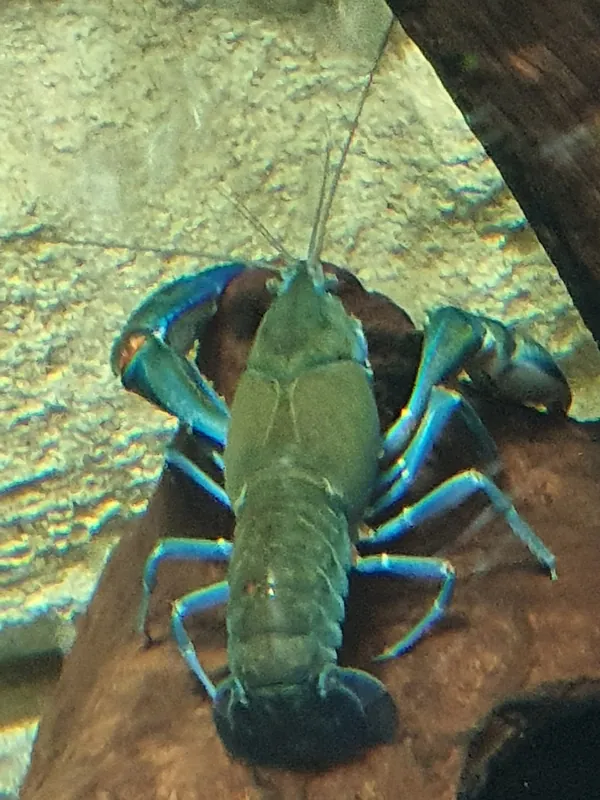
Tickets and saving money
Prices below were checked in September 2026. Both zoos charge less online than at the gate.
- Taronga Zoo: adults A$57 at the gate or from A$51.30 online; children aged 4-15 A$33, or from A$29.70 online; under-4s free. A family ticket for two adults and two children is A$162 at the gate or from A$144 online.
- Sydney Zoo: under-3s free. The Family Bundle for two adults and two children is A$110.
Parking can decide it for a family that drives. Every Sydney Zoo ticket includes free parking, while Taronga charges A$24 for the day, free only if you enter and leave within 90 minutes before 4pm. A family of four arriving by car pays A$110 at Sydney Zoo with the Family Bundle, against at least A$144 plus A$24 parking at Taronga.
Budget for extras too. Taronga's Wildlife Express costs A$5 per person aged 4 and over, each way. Both zoos sell koala encounters on top of admission: A$60 per session for up to four people at Taronga, and A$100 per person at Sydney Zoo.
If you will be back, a Taronga annual membership starts at A$124 per adult for an individual, plus a A$20 joining fee, and gives year-round entry to both Taronga zoos, in Sydney and at its sister zoo in Dubbo.
Getting there
Taronga Zoo
The ferry is the classic way in. Ferries leave Circular Quay Wharf 4 every 30 minutes and take 12 minutes, landing a 3-minute walk from the Lower Zoo Entrance. By bus, route 100 runs from the City (QVB) every 10-20 minutes, and route 238 connects Balmoral Beach with the zoo and the ferry wharf.
The catch is the hill.
If you have time after the zoo, the Bradleys Head to Chowder Bay walk in Sydney Harbour National Park starts at Taronga Zoo Wharf and follows a bush track around the harbour headlands.
Sydney Zoo
Sydney Zoo is built for drivers: about 40 minutes from the CBD via the M4, with free parking on site. Without a car, take a train to Blacktown or Mount Druitt and change to the route 729 bus, which runs to the zoo every 25-30 minutes. The zoo is next door to Western Sydney Parklands and 7 minutes from Featherdale Wildlife Park, so you can pair it with another stop out west.
Best time to visit
Taronga opens every day, 9:30am to 5pm from September to April and 9:30am to 4:30pm from May to August. Sydney Zoo opens every day from 9am to 4pm. The next NSW school holidays run from 28 September to 9 October 2026, then from 18 December 2026 to 27 January 2027.
If you do go in the spring holidays, Taronga is running a free Paw Patrol Kids Show from 26 September to 11 October 2026. At Sydney Zoo, book online: it saves money, and on busy days and in school holidays entry may be limited once the zoo reaches capacity.
Weather matters more out west. In late spring and summer, Sydney's western suburbs can be 6-10 °C hotter than the CBD, so on a hot day get to Sydney Zoo for its 9am opening, or pick the harbour instead.
On a wet day, Taronga has a plan for you. Its Rainy Day Explorer route, about 2-3 hours, is built around sheltered habitats and animals that come alive in the rain; wet weather is one of the best times to see its tigers active, watched from covered viewing windows.
Between May and November, whales pass the NSW coast on their annual migration, so a Sydney trip in those months can pair a zoo day with a whale-watching headland.
With kids and accessibility
For small children and wheelchairs, Sydney Zoo is the easier day. It is flat, with wide paths and no stairs anywhere in the zoo, and you can bring your own food and non-alcoholic drinks. Under-3s get in free.
Taronga takes more planning. Its 28 hectares are hilly and some areas are steep. The Wildlife Express train runs daily from 10:30am to 3:30pm and saves little legs the climb. Under-4s get in free, and you can bring your own picnic.
Frequently asked questions
- Is Taronga Zoo or Sydney Zoo bigger?
Taronga is bigger: it covers 28 hectares against Sydney Zoo's 16.5, and it cares for more than 4,500 animals, where Sydney Zoo has over 4,000.
- Is Taronga Zoo worth it in the rain?
It can be. Taronga's Rainy Day Explorer route takes about 2-3 hours through sheltered habitats, and it says wet weather is one of the best times to see its tigers active, from covered viewing windows.
- How long do you need to spend at Taronga Zoo?
Plan on about three hours: Taronga's Express Visit route takes approximately 3 hours. Add the 12-minute ferry each way from Circular Quay, and the time to get up the hill from the wharf.
Plan your visit to Australia
See all 33 zoos, aquariums and wildlife attractions in Australia, with opening hours, ticket prices and accreditation.
Browse AustraliaMore guides
-
 Trip Planning
How Long to Spend at Auckland Zoo
Two hours or a whole day? How long Auckland Zoo really takes, which daily sessions to plan around, and how to fit it into an Auckland trip. -
 Comparisons
The Largest Aquariums in the US, and Which Are Worth the Trip
Georgia Aquarium is the biggest in the US, but is it your best trip? Five giant aquariums compared, with ticket prices for three of them. -
 Day Trips
Safari Parks in Germany: Where You Can Drive Among the Animals
Germany's two drive-through safari parks compared on price, rules and timing, plus the zoos where a boat safari beats taking the car.