
Trip Planning
How Long to Spend at Auckland Zoo
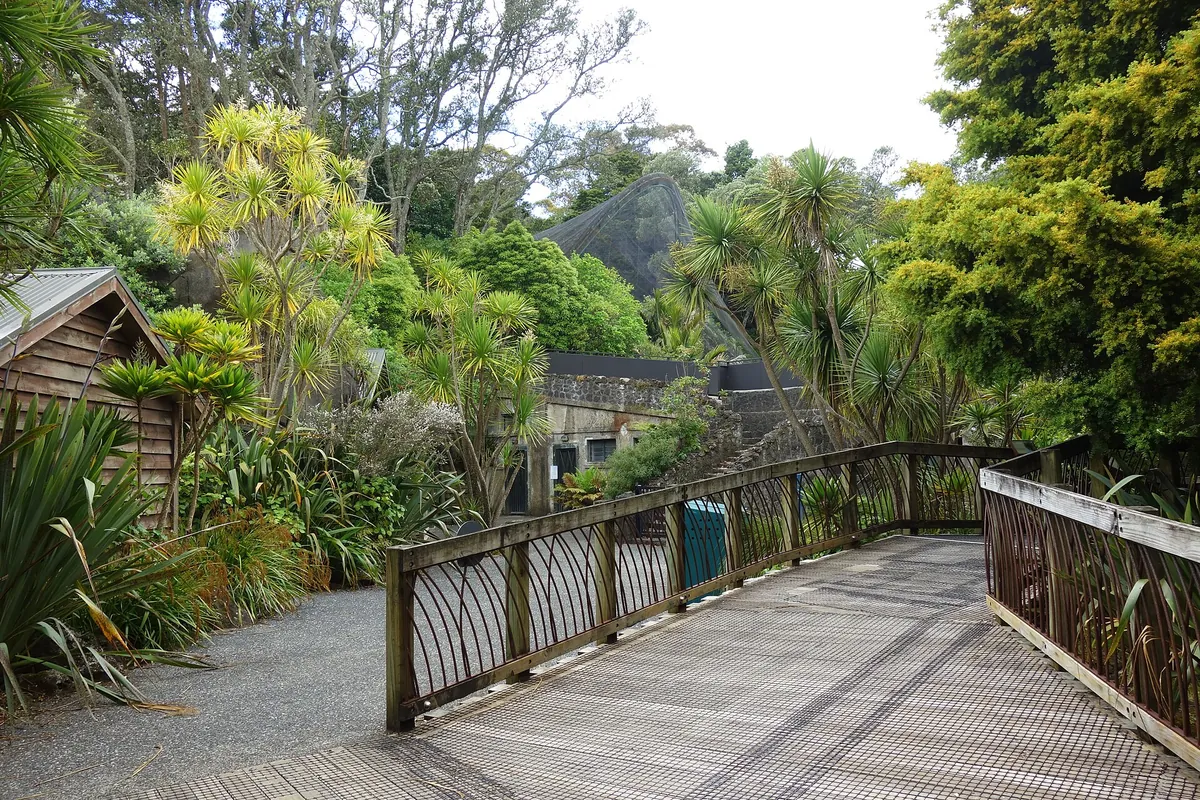
Allow at least two to three hours at Auckland Zoo: that is the minimum the zoo itself recommends for an unguided visit. If you also want the free daily sessions, the kiwi in the night habitat and the Dinosaur Discovery Track, plan on a half day, because the zoo suggests allowing several hours to see everything. With last entry at 3:30pm in winter, it fits into a morning or an early afternoon of a New Zealand trip rather than taking the whole day.
What not to miss
Featured location Auckland Zoo Auckland, New Zealand WAZAWAZA-WP The zoo sits beside Te Waiōrea Western Springs Park, close to the central business district. It is governed through a charitable trust and Tātaki Auckland Unlimited, a council-controlled body.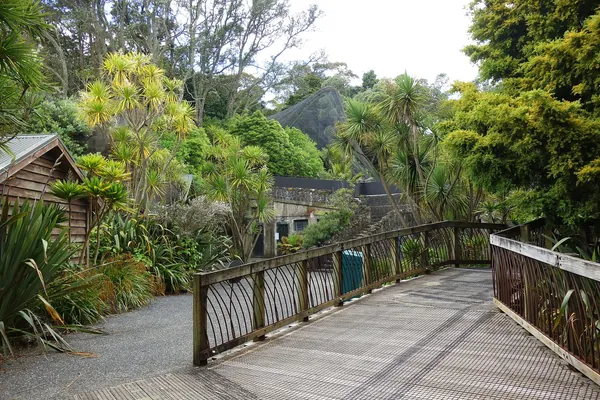
The size of the place explains the time it takes. The zoo covers 16.35 hectares and holds more than 2,800 animals of 130 species, laid out as a series of tracks. Its suggested route starts on the Africa Safari Track and finishes on the South America Rainforest Track, with its primates, alligators and tortoises. Two tracks each take up a fifth of the zoo, so budget plenty of time for them.
Te Wao Nui and the kiwi
Te Wao Nui is the New Zealand track: more than 100 native plant species and around 60 animal species across a fifth of the grounds. Kiwi are nocturnal, so the zoo's night habitat, Te Pō, switches day and night round, which is what lets you see kiwi during opening hours. Don't rush it: the zoo's advice is to take your time in Te Pō and let your eyes adjust to the dark. In The Forest habitat, also on Te Wao Nui, look for tīeke (North Island saddleback), kererū and North Island kākā.
Hidden New Zealand, a free session at the Wild Work Centre beside The Forest, runs at 1pm every day. It brings out elusive native animals such as the tuatara, the giant wētāpunga and the barn owl.
The South East Asia Jungle Track
The zoo's other big track covers another fifth of the site: lowland habitat for tigers and otters, a high canopy for orangutans and siamangs, and a swamp forest for Sunda gharial crocodiles and Asian fish. Build your lunch stop in here. Te Puna café looks out over the lake, and from its wrap-around deck you can watch the orangutans and siamangs on aerial pathways up to 25m high. The Swamp Forest dome is closed for maintenance on Wednesday 23 and Thursday 24 September.
Africa and the dinosaurs
On the Africa Safari Track, a wildlife hide looks out over a watering hole with giraffe, zebra and ostrich, and further on are the cheetah sisters, a baboon troop and a serval. The Dinosaur Discovery Track opened on 10 June 2026 in the former elephant habitat on this track. It has 20 animatronic dinosaurs, entry is included in general admission, and free dinosaur keeper talks run at 10:15am and 1:45pm. If loud, moving dinosaurs will be too much for someone in your group, go on a Tuesday morning: from 9:30am to 11am they are switched off, with no sound and no movement.
What is no longer there
Two things older guides may still promise are gone. There have been no Asian elephants at the zoo since 12 November 2024. The Takutai/The Coast habitat has closed permanently, and its little penguins now live in an area visitors cannot reach.
Best time to visit
Auckland Zoo is open every day except Christmas. Winter hours, from late April to late October, are 9:30am to 4:30pm with last admission at 3:30pm. Summer hours run from Labour weekend in late October to the end of the autumn school holidays in late April: 9:30am to 5:30pm, with last admission at 4:30pm. A summer afternoon therefore gives you an extra hour to work with.
On a short visit, the fixed sessions decide your route more than the map does. Flight School runs at 11:45am every day in the clearing by the Galápagos tortoises on the South America Rainforest Track, Hidden New Zealand starts at 1pm in Te Wao Nui, and the dinosaur keeper talks are at 10:15am and 1:45pm. Catching all of them means crossing between tracks more than once, so pick the one or two you care about and set the rest of the route around them.
Peak days are weekends, public holidays and school holidays, and those are the days the two car parks can fill quickly. The next school holidays run from Saturday 26 September to Sunday 11 October 2026, and the summer holidays start no later than 19 December 2026 and last five or six weeks. NIWA classifies Auckland's climate as humid subtropical, with warm summers and mild winters, but the zoo gives no refunds for bad weather, animals not on view or closed exhibits.
Tickets and saving money
Prices below were checked in September 2026. Visitors from outside Auckland, international visitors included, pay NZ$39 per adult and NZ$22 per child aged 4-14. That is a flexible ticket valid for three months from purchase, usable on any day including weekends and holidays, so you can hold it for a dry day. Children aged 0-3 go free. Auckland residents pay NZ$19 per adult and NZ$11 per child for a ticket pre-booked for an off-peak day.
There are no family tickets, but group discounts apply automatically: 10% off three paid tickets, 15% off four and 20% off five or more.
Two paid extras include all-day entry, so you don't buy a separate ticket:
- Te Wao Nui tour: a guided walk of about 60 minutes through the New Zealand track, every day at 11am; NZ$84 per adult and NZ$47 per child aged 8-14 for domestic and international visitors.
- Giraffe Experience: 30 minutes on Thursdays and Sundays at 12pm; NZ$190 for two people, the minimum booking.
Add the tour's hour to your plan: a guided visit plus the rest of the zoo is closer to a half day than two hours.
We recommend you allow a minimum of two to three hours’ visit time for un-guided general admission Zoo visits.
Getting there
The zoo is at 99 Motions Road, next to Te Wai Ōrea Western Springs Lakeside Park and a short tram ride from MOTAT, the Museum of Transport and Technology. From central Auckland, the nearest bus stop is 8124 on Great North Road, then a 10-minute walk down Motions Road. The 18 bus serves it at least every 15 minutes, from 6am until 11pm, seven days a week.
MOTAT's heritage trams stop at the zoo and are free to ride, running during MOTAT's opening hours of 10am to 4pm, which makes the museum an easy second stop the same day. They won't run from 12 to 16 October because of work on the tramway.
If you drive, the zoo car parks cost NZ$3 an hour up to a maximum of NZ$9, charged from 9am to 5pm, so even a full day's visit costs no more than NZ$9.
When you arrive
More than 95% of the zoo is accessible by wheelchair, pram and mobility scooter. The information centre lends wheelchairs free and hires out pushchairs and child carriers for NZ$8 and mobility scooters for NZ$15, each for up to three hours; on a longer visit, keep an eye on that limit. A carer accompanying a visitor who needs support gets in free.
The zoo doesn't sell bottled water, so bring a bottle and fill it at the refill stations around the grounds. Wētāpunga café sits outside the entrance and needs no ticket, which makes it the easiest place to meet up before or after your visit.
Other wildlife nearby
If your Auckland plans include a morning or afternoon near the airport, Butterfly Creek is a 2-minute drive or a 10-minute walk from Auckland Airport, with a free airport shuttle and luggage storage. It has a tropical butterfly house and a Kiwi Forest, and it suggests about 2-3 hours to see everything, plus time for the train and lunch. As of September 2026, day passes cost NZ$33 for adults aged 16 and over, NZ$16.50 for children aged 3-15 and NZ$89 for a family of two adults and two children. Check the day before you go: in term time it is closed on Mondays and Tuesdays, while from 26 September to 11 October it opens every day from 9:30am to 5pm.
To see New Zealand's rare birds in the wild, Tiritiri Matangi is an open sanctuary 4 km off the Whangaparāoa Peninsula, north of Auckland, where takahē, kōkako, saddleback and hihi live. The public ferry runs Wednesday to Sunday and can be booked up well in advance from November to April.
Frequently asked questions
- How long does it take to walk around Auckland Zoo?
At least two to three hours for an unguided visit, by the zoo's own recommendation. Allow more if you want to see everything, catch the timed sessions or join the 60-minute Te Wao Nui tour.
- Can you see kiwi at Auckland Zoo?
Yes. Te Pō, the zoo's night habitat, switches day and night round so the kiwi are active while the zoo is open. Give your eyes time to adjust to the dark once you are inside.
- Is Auckland Zoo ethical?
That is your call, but here is what it does. The zoo is a not-for-profit conservation organisation and a member of the Zoo and Aquarium Association Australasia and the World Association of Zoos and Aquariums, and part of every ticket goes to its Conservation Fund. It has hatched and released 410 kiwi back to the wild, and it moved its elephants away because it could no longer give them a sustainable family herd.
Discover more in New Zealand
Plan your visit to New Zealand
See all 9 zoos, aquariums and wildlife attractions in New Zealand, with opening hours, ticket prices and accreditation.
Browse New ZealandMore guides
-
 Comparisons
Taronga Zoo vs Sydney Zoo: Which Sydney Zoo Should You Visit?
Harbour ferry or free parking? Compare Taronga and Sydney Zoo on animals, travel time, ticket prices and hills, and pick the right zoo for your day. -
 Comparisons
The Largest Aquariums in the US, and Which Are Worth the Trip
Georgia Aquarium is the biggest in the US, but is it your best trip? Five giant aquariums compared, with ticket prices for three of them. -
 Day Trips
Safari Parks in Germany: Where You Can Drive Among the Animals
Germany's two drive-through safari parks compared on price, rules and timing, plus the zoos where a boat safari beats taking the car.