
Trip Planning
Is Budapest Zoo Worth It? What to Expect Before You Go
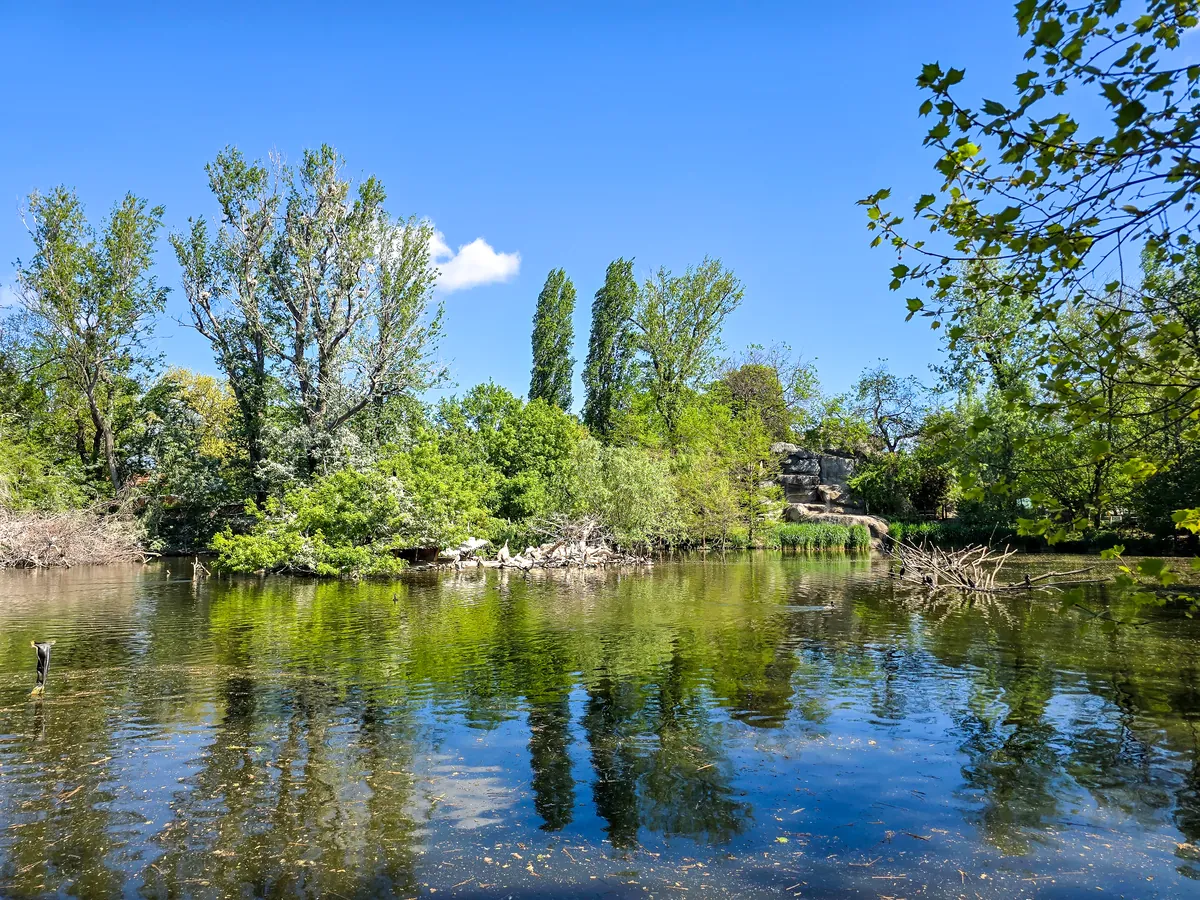
Yes, if you can give it half a day. Budapest Zoo is the oldest zoo in Hungary, opened in 1866, and one adult ticket, 5,900 HUF as of September 2026, covers more than 8,000 animals plus four indoor exhibitions, including the Biodome's Urban Oasis, new in July 2026. It stands in City Park beside Széchenyi thermal bath, on the M1 metro line from the city centre, so it fits into a day you may already be spending there.
What not to miss
Featured location Budapest Zoo and Botanical Garden Budapest, Hungary WAZAWAZA-WP The garden covers 18.4 hectares in the Városliget at Állatkerti körút 6-12, and has been protected as a nature conservation area since 1986. From its opening in 1866 until the 1950s it was the only such institution in the country, before provincial zoos began. Its main activities are conservation, teaching, outdoor recreation and scientific research, and it draws 1 to 1.1 million visitors a year.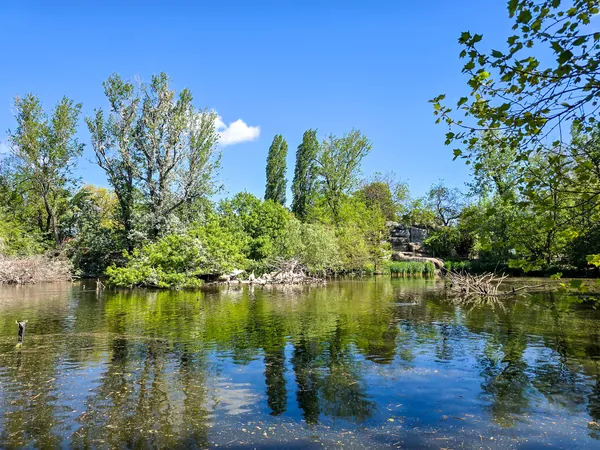
Look at the buildings as well as the animals. The zoo opened on 9 August 1866, and it keeps valuable Art Nouveau buildings designed by Kornél Neuschloss and Károly Kós. The Savannah House, home to giraffes, gazelles, rhinoceroses and a crowd of smaller African animals, connects directly to the Elephant House, so you can do the two as one stop.
The elephant family changed this year. Samu, the young Asian elephant, moved to Veszprém Zoo in May 2026. As the zoo put it:
Of course, we have not been left without elephants, as Samu's parents, Angele and Assam, can still be seen at our Zoo.
New in 2026: the Urban Oasis
The Urban Oasis opened in the Biodome on 1 July 2026: about a hectare under cover, planted with tropical and subtropical vegetation, with animals that include species the zoo had not shown for decades, and around thirty life-sized models of prehistoric reptiles. The largest is a Brachiosaurus, 25 metres long and almost 12 metres high. Among the live animals, look for the Hanuman langurs and the critically endangered Bali mynas. You need no separate ticket.
The indoor houses
The Urban Oasis is one of four indoor exhibitions your ticket covers. The Magic Mountain, inside the Great Rock, is one of the zoo's largest indoor spaces, with more than a dozen themed exhibition areas. The Palm House shows the animal and plant life of the New World tropics, and the Aquarium is included too. Together they make the zoo a far better bet on a cold or wet day than an open-air park.
Rare animals and bears
Wikipedia singles out the Komodo dragon and the wombat, here since December 2011, as the zoo's most special animals, and each has its own house on the zoo map, as do the great apes. Red pandas have lived at the zoo since 1990; find them in their enclosure on the side of the Great Rock.
Two young brown bears, Csángó and Hargita, now live in the enclosure that used to hold the zoo's polar bear. Its large pool has a glass wall, so you can watch the bears swimming.
What you will not see
Polar bears. In April 2024 the zoo said its polar bear enclosure no longer fully met the requirements for keeping them, and its polar bear left for Nyíregyháza. If they are the animal you most want to see, that is where to go (see below).
Tickets and saving money
As of September 2026, an adult ticket costs 5,900 HUF, a child's ticket for ages 2-18 costs 4,200 HUF, and a family ticket for two adults and two children costs 17,500 HUF. Children under 14 cannot enter without an adult. Every ticket also covers the Magic Mountain, the Palm House, the Aquarium and the Biodome; the minibus is a separate 800 HUF charge.
If you already have a Budapest Card, show it: it takes 20% off an individual adult, student, senior or child ticket.
Each ticket is good for one entry only. You cannot slip out to Széchenyi Bath halfway through and come back on the same ticket, so do the bath before or after the zoo, not in the middle.
For a free taste of the zoo's work, it also runs the Margitsziget Mini Zoo on Margaret Island, open daily from 10am to 6pm from spring to autumn and closed in winter. Admission is free.
Best time to visit
The zoo opens at 9am every day of the year. Its general hours are 9am-5:30pm on weekdays and 9am-6pm at weekends and on holidays; from May to August it stays open until 6pm on weekdays and 7pm at weekends and on holidays. In November, January and February it closes at 4pm, and the animal houses at 3:30pm. In every season, the ticket offices shut and last entry is an hour before closing, and that applies even if you bought your ticket in advance.
Budapest's summer runs from May until mid-September and is warm or very warm, so on a hot day walk the outdoor enclosures in the morning and move indoors later. Winter, from November until early March, can be cold with little sunshine. That is when the four indoor exhibitions earn their keep; just remember the short day, and arrive by late morning if you want time in the animal houses before they close.
If your dates are flexible, check them against Hungary's school holidays: the autumn break runs from 23 October to 1 November 2026, and the winter break from 19 December 2026 to 3 January 2027.
Getting there
The zoo is at Állatkerti körút 6-12, in City Park, which also holds Széchenyi thermal bath and the Capital Circus of Budapest. The M1 (yellow) metro, the Millennium Underground, runs from the city centre under Andrássy út to City Park; get off at Széchenyi fürdő. If you drive, the Parkoló ZOOna car park at Állatkerti körút 16 charges 390 HUF per started hour on weekdays and 550 HUF in peak periods.
Getting around inside
Distances add up with small children. A seasonal minibus leaves the main entrance every half hour from 9am to 4:30pm, and the ride takes about 20-25 minutes; tickets cost 800 HUF at the gift shop, by cash or card. One wheelchair is available at each entrance for visitors with limited mobility. There is a baby care room in the Magic Mountain's reception area, and every restroom has changing tables.
Which venue to choose outside Budapest
If your trip takes you beyond the capital, these four zoos each give you a different reason to go. Prices were checked in September 2026.
- Nyíregyháza Zoo, also called Sóstó Zoo, is the one for polar bears. Its Jégvilág (Ice World) is a polar bear breeding centre where you can watch the bears underwater in a 4-metre-deep pool. It covers 30 hectares 5 km north of Nyíregyháza, and in August 2022 it held 500 species and more than 5,000 animals, and was richer in mammals than any other zoo in Hungary. Adults pay 8,000 HUF and children aged 3-14 pay 5,600 HUF.
- **Szeged Zoo** calls itself one of Hungary's youngest zoos and the largest by area. It specialises in rare, endangered species, and its South American section is particularly strong. Adults pay 6,300 HUF and children aged 3-14 pay 4,100 HUF.
- **Zoo Győr** keeps 150 species and about 1,400 animals. Adults (from age 15) pay 6,200 HUF and children aged 2-14 pay 4,400 HUF.
- **Zoo Gyöngyös** is the cheapest of the five: adults pay 2,900 HUF and children aged 2-18 pay 2,200 HUF, with under-2s free. It keeps nearly 400 animals of 84 species, among them lions, tigers, zebras and camels.
For animals outside a zoo, head east to Hortobágy National Park, designated in 1973 as Hungary's first national park and a World Heritage Site since 1999. It has 342 bird species and a herd of around 25 Przewalski's horses.
Frequently asked questions
- How long should you spend at Budapest Zoo?
Plan on at least half a day. Your ticket covers four indoor exhibitions as well as the grounds, you cannot re-enter on the same ticket, and last entry is an hour before closing, so give yourself time to see it all in one go.
- How many animals are in Budapest Zoo?
More than 8,000, by the zoo's own count, from Komodo dragons and wombats to elephants, giraffes and rhinoceroses.
- Does Budapest Zoo have pandas?
Red pandas, yes. The zoo has kept them since 1990, and their enclosure is on the side of the Great Rock.
- Does Budapest Zoo have polar bears?
The zoo's polar bear left for Nyíregyháza Zoo in 2024, after the zoo said its enclosure no longer fully met the requirements for keeping polar bears, and two brown bears live there now. At Nyíregyháza's Jégvilág you can watch polar bears underwater in a 4-metre-deep pool.
Plan your visit to Hungary
See all 5 zoos, aquariums and wildlife attractions in Hungary, with opening hours, ticket prices and accreditation.
Browse HungaryMore guides
-
 Day Trips
Safari Parks in Germany: Where You Can Drive Among the Animals
Germany's two drive-through safari parks compared on price, rules and timing, plus the zoos where a boat safari beats taking the car. -
 Trip Planning
What Is the Biggest Zoo in the UK?
Whipsnade is the UK's biggest zoo by area; Chester has more animals. Compare five giants on size, time, tickets and access, then pick your day out. -
 Day Trips
Zoos Near Paris: The Best Animal Day Trips From the City
City zoo, drive-through safari or pandas two hours away? Compare the zoos near Paris by travel time, price and what each does best.