
Trip Planning
The Caracas Zoo: Visiting Parque Zoológico Caricuao
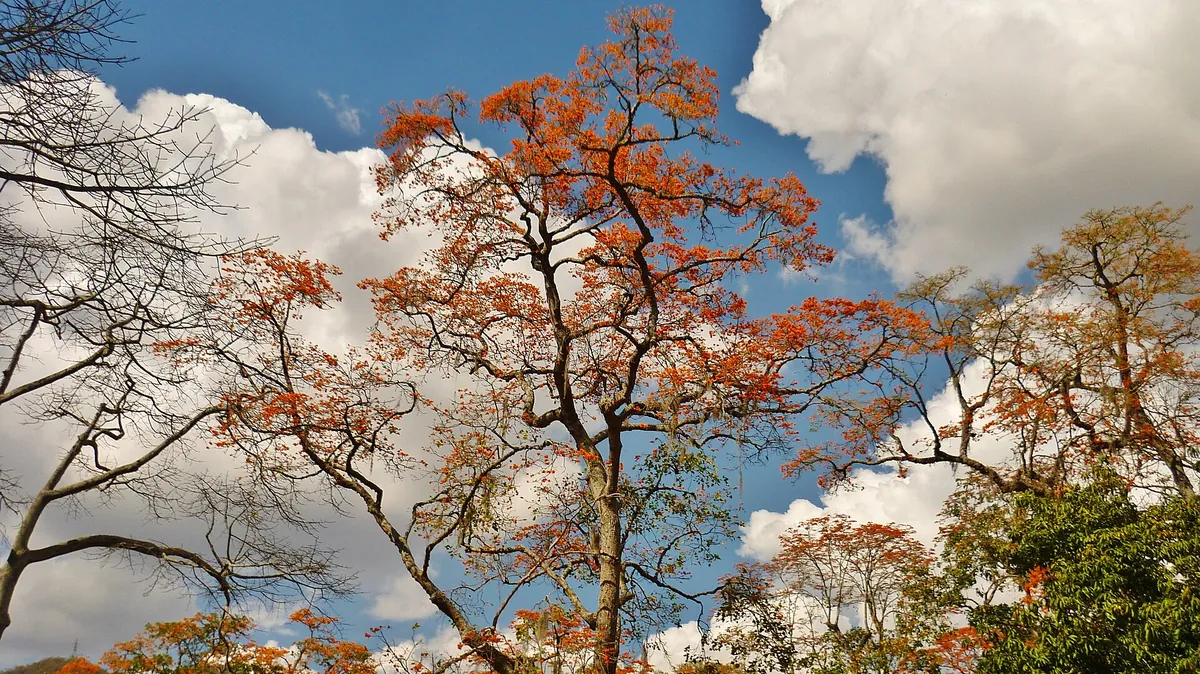
When people search for "the Caracas zoo" they almost always mean Parque Zoológico Caricuao, a 630-hectare park that has run since 1977. Caracas does have a second, older zoo, El Pinar, but it is much smaller and isn't part of this directory. Venezuela has two other venues worth knowing about too: a zoo built around a waterfall in the Andean city of Mérida, and a combined zoo and aquarium in Valencia.
Which zoo is "the Caracas zoo"?
Caracas has two zoos, and they're easy to mix up. Caricuao is the one this guide, and most search results, mean.
Parque Zoológico Caricuao
Featured location Parque Zoológico Caricuao Caracas, Venezuela It spans 630 hectares, of which 594 are set aside for wildlife, plants and the watershed.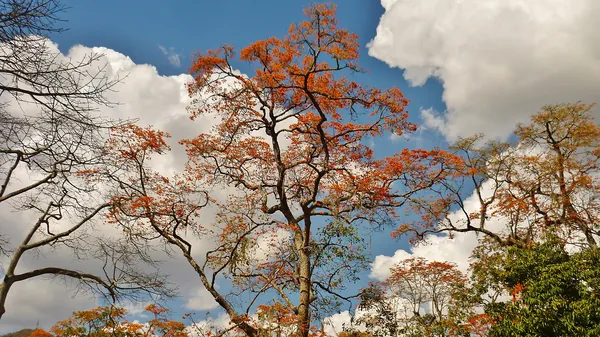
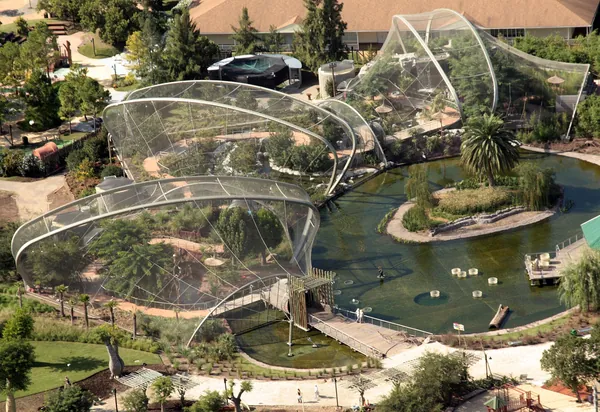
Caricuao opened to the public on 31 July 1977 and has been run by the Instituto Nacional de Parques (INPARQUES) since 1974. It covers 630 hectares in total, of which 594 are set aside to protect the surrounding fauna, flora and the local watershed. The zoo itself is divided into seven themed zones: Bosque de los Monos, Laguna de Avifauna, Planicie Africana, Planicie Suramericana, Zona de Anillos, Zona de Felinos and Zona de Contacto. The Planicie Africana holds African elephants, hippopotamuses, ostriches, deer and buffalo, while the Zona de Felinos keeps African lions, ocelots, pumas, jaguars and Bengal tigers.
The animal collection has been through a lot. Venezuela's economic crisis cut Caricuao's numbers from about 700 animals in 2006 to around 150 by 2017.
El Pinar Zoo: the other Caracas zoo
El Pinar was Caracas's first zoo, opened on 13 August 1945. It occupies just 7 hectares — a fraction of Caricuao's grounds — in a different part of the city, and it isn't listed on WhatWildlife. If you've landed here searching for "the Caracas zoo," this guide, and the directory, mean Caricuao.
Mérida and Valencia: the other two venues
Chorros de Milla: Mérida's zoo by the waterfall
Chorros de Milla sits at 1,850 metres above sea level in the Andean city of Mérida, on a 10-hectare site built around a set of waterfalls; the largest, Cascada Tibisay, is named for the princess of a local legend. It opens Tuesday to Sunday, 9am to 4pm, and focuses on species native to the Andean region and Venezuela, with support from Cleveland Metroparks Zoo in the United States.
In August 2025, three lion cubs were born here to Murachí, a white lion, and Carú, an African lioness who had been brought in from Caricuao Zoo — the first recorded lion birth in captivity in Mérida state, and a direct link between Venezuela's two Andean-and-capital zoos.
Valencia's Aquarium: a zoo and aquarium combined
Valencia's Aquarium, on Avenida Fernando Figueredo in the Los Colorados district of Valencia, Carabobo state, was inaugurated on 21 December 1975. Despite the name, it's really six attractions in one: its own site lists an aquarium, an aviary, a contact farm, a serpentarium, a dolphin section and a zoo, and it opens Monday to Friday, 8am to 4:30pm. As of November 2025, the operator put its collection at more than 178 species and 2,440 specimens, and Venezuela's Ministry of Tourism named it a required stop for visitors during the FITVEN tourism fair held 28 November to 1 December 2025. For its 2026 vacation season, reported in August 2026, it offered guided educational tours, family recreation spaces and shows pairing entertainment with conservation education.
The dolphin section carries some history worth knowing before you visit: from 1975 until 2016, this was one of the last places anywhere with trained captive Amazon river dolphins. As of 2025, the species is no longer kept in captivity at all, here or elsewhere — a change worth knowing if that's what drew you to look the aquarium up.
Best time to visit
Hours are firmer: Chorros de Milla is open Tuesday to Sunday, 9am to 4pm, and Valencia's Aquarium Monday to Friday, 8am to 4:30pm.
If you're heading to Mérida, plan around the weather. The city gets most of its rain between April and November, leaving December to March as the drier stretch — worth choosing if canyoning and the waterfalls at Chorros de Milla are part of the plan. The same rainy season, May to November, brings flood risk to some Andean valleys, mainly in Mérida state, according to UK government travel advice.
FCDO advises against all but essential travel to the remaining areas of Venezuela
Check that guidance, and its more detailed safety-and-security page, before you commit to any trip to Venezuela.
Other wildlife nearby
If the zoos leave you wanting to see Venezuelan wildlife in the wild, the Llanos — the country's savanna wetlands — are the place to look. They support around 70 species of water birds, including the scarlet ibis, and the endangered giant otter lives along the Orinoco river and its tributaries. Santos Luzardo National Park, a 5,844-square-kilometre Llanos reserve in Apure state created by presidential decree in 1988, is protected by INPARQUES — the same institute that runs Caricuao Zoo.
Frequently asked questions
- Are there zoos in Venezuela?
Yes. This guide covers three: Parque Zoológico Caricuao in Caracas, Chorros de Milla in Mérida, and Valencia's Aquarium in Carabobo state. Caracas also has a second, older zoo, El Pinar, which isn't part of this directory.
- What animals live in Venezuela?
In the wild, the Llanos wetlands support around 70 species of water birds, including the scarlet ibis, and the endangered giant otter lives along the Orinoco and its tributaries. In the zoos, Chorros de Milla focuses on Andean and Venezuelan natives, while Caricuao's collection ranges wider, with African elephants and lions alongside jaguars and ocelots.
- Is Caracas safe for tourists?
The UK's Foreign, Commonwealth & Development Office advises against all but essential travel to most of Venezuela, and against all travel to some specific areas, under its current guidance. Check that guidance directly before planning a trip to Caricuao or anywhere else in the country.
- Is Mérida worth visiting?
Mérida sits at 1,630 metres in the Andes, between the Sierra Nevada de Mérida and the Sierra La Culata, and its zoo, Chorros de Milla, is built around a set of waterfalls.
- Where is Mérida, Venezuela located?
Mérida city sits on a terrace of the middle Chama river valley in the Venezuelan Andes, at 1,630 metres above sea level, with the Sierra Nevada de Mérida to the southeast and the Sierra La Culata to the northwest.
Plan your visit to Venezuela
See all 3 zoos, aquariums and wildlife attractions in Venezuela, with opening hours, ticket prices and accreditation.
Browse VenezuelaMore guides
-
 Day Trips
Where to See Animals Near Iguazu Falls
Wild coatis at the falls, rescued macaws next door, falconry minutes away: how to see Iguazu's animals and fit all three into one trip. -
 Trip Planning
Is There a Zoo in Bogotá? Where to See Animals Near the Capital
Bogotá has no city zoo. Compare the nearest animal parks on distance, animals and opening days, and pick the right day trip from the capital. -
 Comparisons
Ecoparque or Temaikèn: Which Buenos Aires Wildlife Park to Visit
One is in Palermo near the Line D metro, the other a full day out in Escobar. Compare animals, prices, buses and hours, then choose.