
Comparisons
SF Zoo vs Oakland Zoo: Which Bay Area Zoo Should You Visit?
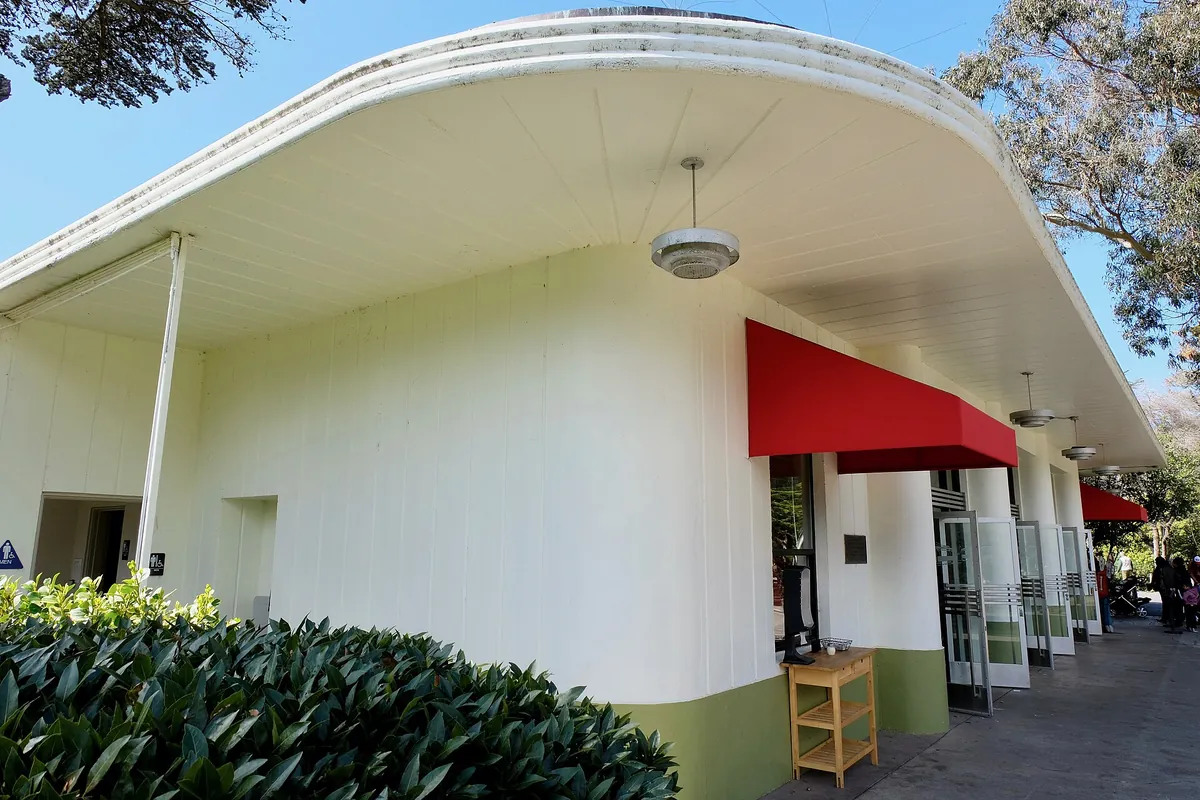
Pick San Francisco Zoo if you want more animals under one roof, an easier transit trip from the city, and don't mind the coastal fog. Pick Oakland Zoo if you'd rather ride a gondola up to bears, wolves and bison in warmer, sunnier weather, and you're coming by car. Both cover roughly the same 100 acres and charge similar prices, so the real decision comes down to weather, what you want to see, and how you're getting there.
Which zoo to choose
San Francisco Zoo was originally known as the Fleishhacker Zoo, founded by banker Herbert Fleishhacker, and today covers 100 acres on the city's western edge with more than 1,500 exotic, endangered and rescued animals, open 365 days a year. Its signature areas are the African Savanna, opened in 2004 for giraffes, zebras, kudus and ostriches; Grizzly Gulch, opened in 2007; the Primate Discovery Center and Lemur Forest; Penguin Island; the Family Farm; and an Insect Zoo. One thing to know before you go: as of May 2026 the zoo was preparing to move its last two lions, Marvella and Jasiri, out of their 86-year-old enclosure, with no destination or date yet set, to eventually make way for a planned giant panda exhibit that was still unofficial. If you're going specifically to see lions, call ahead.
Featured location San Francisco Zoological Gardens San Francisco, United States AZAWAZAWAZA-WP Under a public-private arrangement in place since 1993, it receives $4.2 million a year from the city. As of 2016 it held over a thousand animals of more than 250 species. A commission judged many of the enclosures to fall below basic welfare standards and urged a strategic redesign.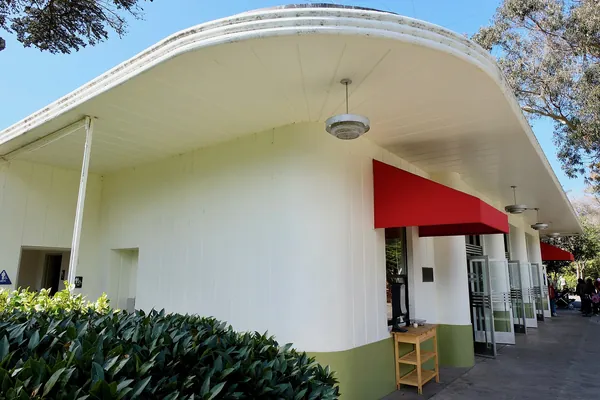
Oakland Zoo is seven years older, founded in 1922 by naturalist Henry A. Snow, and also spans 100 acres today, including the California Trail, a 56-acre expansion that opened in summer 2018. That $70 million project — part of an $81 million multi-phase zoo development — added bears, wolves, mountain lions, bison and birds of prey, reached by an ADA-accessible, all-electric, eight-passenger gondola that takes about four minutes from the main zoo. The area between the two sections isn't just landscaping, either:
The hillside between the lower Zoo and California Trail is a protected site preserving native plant habitats for local wildlife, including the endangered Alameda Striped Racer snake.

If you have time for one more stop after either zoo, San Francisco's Fort Funston sits on the coastal bluffs above Ocean Beach, inside the Golden Gate National Recreation Area, and its cliffs host a nesting colony of bank swallows. Harbor seals live year-round across that same park system and at Point Reyes National Seashore, where the National Park Service records the largest concentration of them in California.
Tickets and saving money
San Francisco Zoo's prices depend on the day: weekday general admission is $32 for adults (12-64), $25 for seniors and $22 for children (2-11), rising to $34, $27 and $24 on weekends and holidays, as of September 2026. San Francisco residents pay less — $29/$21/$19 on weekdays, $31/$23/$21 on weekends. Parking is $15 on weekdays and $20 on weekends and holidays.
Oakland Zoo prices differently: it uses Plan-Ahead Pricing, so the adult rate changes by date and booking earlier tends to cost less, while children pay 15% off the adult price and seniors 10% off; under-2s are free at both zoos. Parking is $15 in advance or $20 at the gate. If you or someone in your group receives Golden State Advantage EBT or California WIC benefits, the zoo's Bay to Zoo program prices daytime admission at $5 for adults and $3 for seniors and children, with free parking — though weekend tickets sell out and must be reserved ahead.
Membership pays off fast at either zoo: San Francisco Zoo's Individual Plus membership, covering one cardholder and a guest, costs $149 and the zoo says it pays for itself in a couple of visits; Oakland Zoo's Individual membership costs $129 and pays for itself in as few as two visits, by its own count.
Best time to visit
The weather is the biggest reason to pick one zoo over the other. On a typical summer day San Francisco averages around 65°F while Oakland runs 75-80°F, a gap of 10 to 15 degrees, because San Francisco sits directly in the path of the cold marine air pulled through the Golden Gate while the Berkeley Hills shield Oakland from it. If cool, layered clothing sounds like a chore, Oakland's the more comfortable day; if you'd rather not sweat, San Francisco usually delivers.
Hours differ too. San Francisco Zoo's gates open at 10am and close at 5pm daily, with last entry at 4pm for general admission (4:30pm for members). Oakland Zoo's own site says its hours change seasonally and points visitors to its current schedule before they go, so check the date you're planning to visit rather than assuming the hours you saw last time still apply.
Getting there without a car
San Francisco Zoo is the easier of the two without a car. The Muni L Taraval light-rail line runs directly to it, along with bus lines 23 and 18, and the zoo takes $1 off admission for anyone who arrives by Muni.
Oakland Zoo is harder right now. Its only direct bus, AC Transit line 46, is temporarily suspended; the weekday-only replacement, line 46L, drops passengers right outside the zoo on Mountain Blvd, but it doesn't run on weekends. Even once you're dropped off or parked, there's a half-mile walk from the main gate to the zoo entrance — if that's a problem, Oakland Zoo says to ask its Public Safety staff at the gate, who can arrange accommodations.
With kids and accessibility
Oakland Zoo rents double strollers for $11, wheelchairs for $15 and electric mobility scooters for $30 (a valid driver's licence is required) at the gift shop by the main entrance, first-come first-served. Between the gondola ride and the half-mile walk from the gate, plan a little extra time with young kids or anyone who tires on hills.
Frequently asked questions
- Is the SF Zoo worth it?
For most Bay Area visitors, yes. It's open 365 days a year across 100 acres, houses more than 1,500 animals, and areas like the African Savanna and Grizzly Gulch are large, purpose-built exhibits. Weekday general admission is $32 for adults, $25 for seniors and $22 for children, dropping to $29/$21/$19 for San Francisco residents, as of September 2026.
- Is San Francisco Zoo better than Oakland Zoo?
Neither is straightforwardly better — they suit different days out. San Francisco Zoo has more animals, opens every day of the year and is easier to reach by transit; Oakland Zoo's gondola ride to the California Trail and its warmer, sunnier weather make for a more comfortable day if you're driving. Pick based on the weather you want and how you're getting there.
- How long does SF Zoo take?
Gates open at 10am and it closes at 5pm, with last entry at 4pm, so treat that window as your outer limit and prioritize what matters to you — the African Savanna, Grizzly Gulch and the Primate Discovery Center are its headline areas.
Plan your visit to San Francisco
See all 3 zoos, aquariums and wildlife attractions in San Francisco, with opening hours, ticket prices and accreditation.
Browse San FranciscoMore guides
-
 Comparisons
The Largest Aquariums in the US, and Which Are Worth the Trip
Georgia Aquarium is the biggest in the US, but is it your best trip? Five giant aquariums compared, with ticket prices for three of them. -
 Comparisons
Pittsburgh Zoo or National Aviary: Which Should You Visit?
The big outdoor zoo in Highland Park or the indoor bird aviary on the North Side: how weather, time and kids' ages should decide. -
 Comparisons
San Diego Zoo or SeaWorld: Which One Should You Pick?
Pandas or orcas? Compare San Diego Zoo and SeaWorld on kids' ages, prices, food rules and travel, and pick the right park for your one free day.