
Trip Planning
Is Skansen Worth Visiting for the Animals?
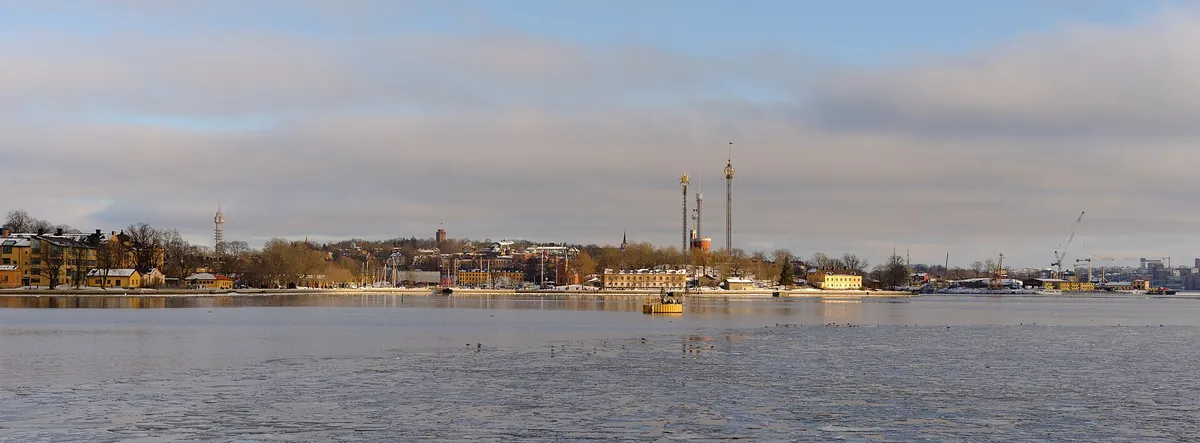
Yes, if the animals you want to see are Sweden's own. Skansen, the open-air museum Artur Hazelius founded in Stockholm, Sweden, in 1891, keeps moose, brown bears, lynx, wolverines and seals alongside traditional Swedish livestock breeds, and one ticket also covers a Baltic Sea aquarium and a children's zoo. Allow three to four hours; if you want lions, giraffes and dolphins instead, Kolmården Wildlife Park, south of Stockholm, is the zoo for that.
What not to miss
Featured location Skansen Stockholm, Sweden As of 2024 about 140 Scandinavian buildings stand on the site, the oldest of them Vastveitloftet, which dates from the 1300s. The name is taken from a redoubt that Karl XIV Johan had built as a playground for his son, Oscar I.
Skansen is first of all a museum. It calls itself the world's oldest open-air museum, and it has 190 historic buildings, the oldest from the early 14th century and the newest from the 1950s. But Hazelius wanted animals there too: farm animals, because they were an essential part of farm life, and wild Nordic animals from the forests and mountains. A few exotic species also arrived as gifts.
Hazelius even received several animals as gifts – including some exotic species. They didn’t quite fit the picture of a miniature Sweden, but Hazelius knew visitors would be fascinated by them, so he let them stay.
That exception is shrinking on purpose. Skansen's long-term aim is a zoo focused on Nordic species, farm breeds and conservation, and in autumn 2024 it decided that its guereza monkeys would move out.
The Nordic animals
The headline animals are moose, brown bears, lynx, wolverines, otters, great grey owls and seals. Keepers give animal talks every day about the animals' lives, behaviour and care, so check the day's times when you arrive and plan your route around the ones you most want to hear.
Several of the animals have a job beyond being looked at. European bison became extinct in the wild in the 1920s, and animals kept in zoos, Skansen's among them, saved the species. Skansen keeps forest reindeer for breeding and supplies animals to Finland's reintroduction programme; they were due to move in during autumn 2025. It has also bred 33 Eurasian eagle-owls that were released into the Stockholm archipelago.
The park sits on a hill, with steep slopes, cobbled stretches and fairly long distances between attractions, so wear shoes you can walk in and plan a loop rather than zigzagging.
The Baltic Sea Science Center
Don't skip this because the name sounds like a school trip. Its aquariums and exhibitions show the animals of the Baltic Sea and the problems the sea faces, pitched at children and adults alike. The largest tank holds 250,000 litres, has a walk-through tunnel, and keeps predatory fish such as cod, eels, salmon and sturgeons. It is included in your Skansen ticket, as is Lill-Skansen.
Lill-Skansen, the children's zoo
Lill-Skansen has the smallest animals: rabbits, guinea pigs and mice, but also snakes, birds and stick insects. In summer a paddock opens where children can get close to the sheep and pat them, from 11 to 12 and 14 to 15, though Skansen warns the times may vary.
Is the Skansen Aquarium worth the extra ticket?
If you want exotic animals as well as Nordic ones, yes. The Skansen Aquarium has about 200 exotic species, from crocodiles, snakes and naked mole-rats to marmosets, golden lion tamarins, baboons, lemurs, spiders and parrots, and you can go in among some of them, such as the animals in the Children's Rainforest. It covers only 3,000 square metres, yet it is one of the Swedish zoos with the most animals.
It is run privately by its owner, Jonas Wahlström, and you buy its ticket on site at the aquarium, on top of your Skansen ticket: SEK 175 for adults and SEK 95 for children aged 4-15, as of September 2026. It opens 10:00-16:00 Monday to Friday and 10:00-17:00 at weekends. In winter its lemurs are kept indoors, out of sight.
Morning with the Animals
To go round with a keeper before the park opens, book Morning with the Animals. It runs year-round from 08:30, lasts 1.5 hours and takes 2 to 6 people. During the tour a keeper feeds one of the seals, great grey owls, otters, wolverines or bears. It costs SEK 900-1,100 per person, as of September 2026 (weekdays are the cheaper rate, Saturdays the dearer), and Skansen admission is included. From June to August it can only be booked on weekdays.
Skansen or Kolmården: which to choose
Choose Skansen if you are staying in central Stockholm, travelling with children under 16, or as curious about how Swedes lived as about the animals: you get the historic buildings and the Nordic zoo on one ticket. It works for adults without children too, because the museum half gives you as much to do as the animals.
Choose Kolmården if the animals are the whole point and you want big, exotic species. It is the largest zoo in Scandinavia, covering 1.5 square kilometres in the countryside south of Stockholm, with Scandinavia's first dolphinarium, which puts on daily shows, and a Safari gondola that glides close above lions and giraffes. Plan it as its own trip out of the city.
If you would rather look for wildlife in the wild, Tyresta National Park and Nature Reserve lie about 20 km from central Stockholm and contain one of the largest coniferous old-growth forests in southern Sweden.
Best time to visit
Skansen is open all year round. In 2026 it opened daily 10.00-18.00 from 1 June to 30 August, and from 31 August to 27 September it opens daily 10.00-17.00. From 28 September to 10 January 2027 the hours drop to 10.00-15.00 on weekdays and 10.00-16.00 at weekends, with some exceptions.
Summer gives you the most daylight and the longest opening hours: Stockholm gets more than 18 hours of daylight around midsummer, against only about 6 hours in late December. Winter is cold, averaging -3 to -1 °C, and some animals are harder to see. Skansen's brown bears sleep through the winter and wake in early spring, and the aquarium's lemurs stay indoors. If the bears are on your list, don't come in the depths of winter.
Late September and early October are the moose mating season, according to Skansen's own moose page, when bulls can fight fiercely over a cow.
Tickets and saving money
The one-day ticket price varies by season, is lowest online and is slightly higher at the entrances, so check and buy online for your date. Children aged 0-15 get in free, and you can add a complimentary child ticket when you buy an adult, student or senior ticket. The student discount applies wherever you study, if you show a valid student ID.
Skansen says its annual pass pays for itself by your second visit, which is worth doing the sums on if you are in Stockholm for a while. The entrances and shops are cashless, so bring a card. Budget separately for the Skansen Aquarium and for Morning with the Animals if you want them.
Getting there
Tram line 7 from T-Centralen and bus 67 from Odenplan both stop right outside the main entrance. By water, ferry line 82 from Slussen stops at Allmänna Gränd, 400 metres away. If you come by car, Skansen suggests parking at the Gallerian garage on Hamngatan and taking the tram to Djurgården.
Accessibility and families on site
A platform lift just inside the main entrance takes wheelchairs, mobility scooters and pushchairs up from street level. Skansen lends a limited number of wheelchairs at the main entrance, first come, first served, against a refundable SEK 200 card deposit, and pushchairs can be hired there for SEK 75, as of September 2026. The Baltic Sea Science Center has a lift and every floor is wheelchair accessible. Expect hills everywhere else.
Frequently asked questions
- Is Skansen worth visiting for adults?
Yes, especially if you are interested in Sweden as well as its animals. The 190 historic buildings are as much a part of the visit as the Nordic zoo, and Morning with the Animals takes a small group of 2 to 6 people round with a keeper.
- Is the Skansen Aquarium worth it?
It is worth the extra SEK 175 per adult (SEK 95 for children aged 4-15, as of September 2026) if you want exotic animals such as crocodiles, lemurs and baboons, which the main zoo does not focus on. If Nordic wildlife is enough, the Baltic Sea Science Center is already included in your Skansen ticket.
- How long do you need at Skansen?
Skansen suggests about three to four hours if you want to explore properly. Its online audio guide's walking tours take about one or two hours on their own.
- Does Skansen have moose?
Yes. Moose are among Skansen's wild Nordic animals, alongside brown bears, lynx, wolverines, otters and seals.
- Is Skansen open in winter?
Yes, it is open all year round. From 28 September 2026 to 10 January 2027 it opens 10.00-15.00 on weekdays and 10.00-16.00 at weekends, with some exceptions, but the brown bears sleep through the winter.
Discover more in Sweden
Plan your visit to Sweden
See all 14 zoos, aquariums and wildlife attractions in Sweden, with opening hours, ticket prices and accreditation.
Browse SwedenMore guides
-
 Day Trips
Safari Parks in Germany: Where You Can Drive Among the Animals
Germany's two drive-through safari parks compared on price, rules and timing, plus the zoos where a boat safari beats taking the car. -
 Trip Planning
What Is the Biggest Zoo in the UK?
Whipsnade is the UK's biggest zoo by area; Chester has more animals. Compare five giants on size, time, tickets and access, then pick your day out. -
 Day Trips
Zoos Near Paris: The Best Animal Day Trips From the City
City zoo, drive-through safari or pandas two hours away? Compare the zoos near Paris by travel time, price and what each does best.