
Trip Planning
Is Pula Aquarium Worth It? What to Expect at Verudela Fort
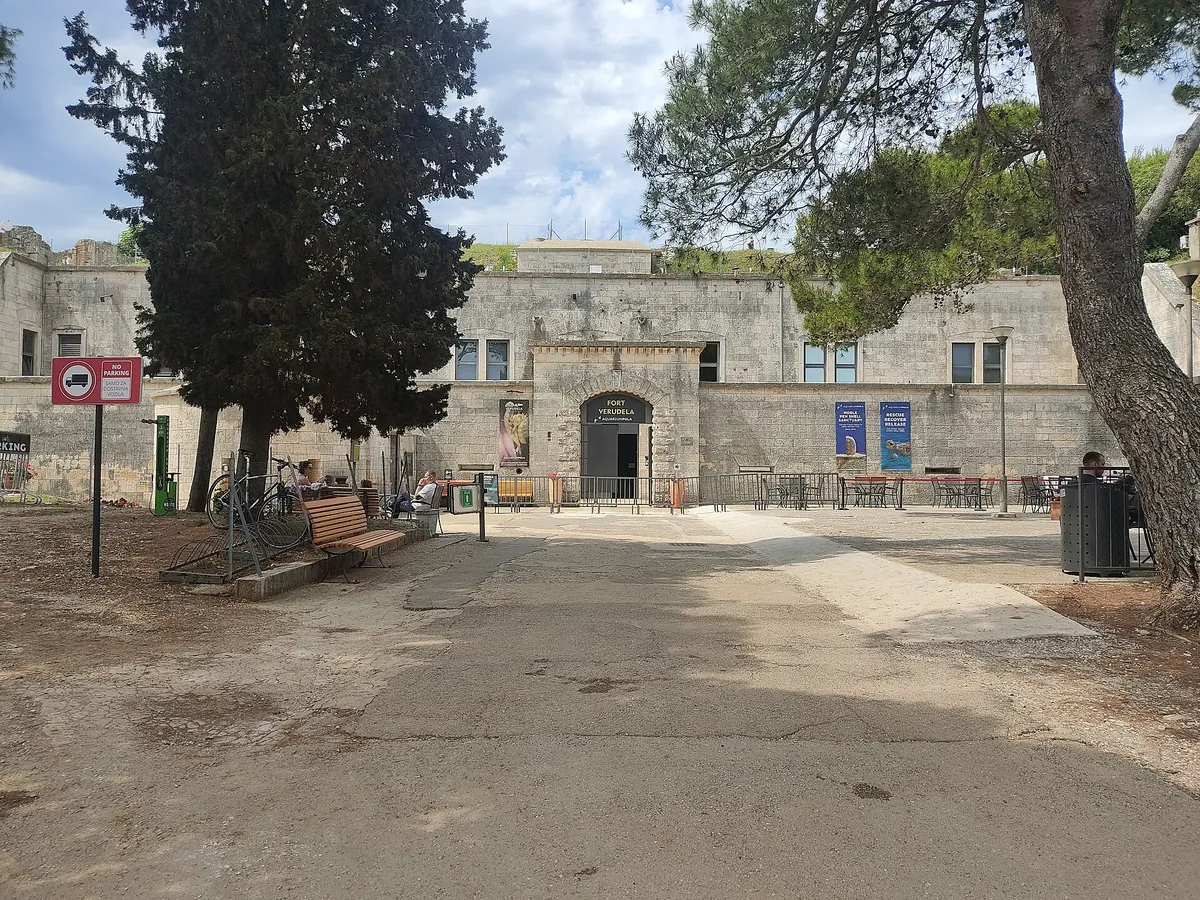
Yes, if you give it the time it asks for. Aquarium Pula, which calls itself the largest aquarium in Croatia, fills two Austro-Hungarian fortifications on the Verudela peninsula with 211 species, from Adriatic jellyfish to blacktip reef sharks, and runs a rescue centre that has released more than 200 loggerhead turtles back to the sea. At €25 for an adult, as of September 2026, it pays off when you use the recommended two and a half hours and see both buildings.
What not to miss
Featured location Aquarium Pula Pula, Croatia The aquarium holds 211 species, including blacktip reef sharks and caimans, and runs a turtle rehabilitation unit. By early 2020, 160 loggerhead turtles had been treated there and returned to the sea.
The aquarium has been based in Fort Verudela since 2002, in a fort built and equipped between 1881 and 1886. Your ticket covers two buildings with more than 4,000 m² of indoor and outdoor space: Fort Verudela holds the Mediterranean exhibit and Battery San Giovanni the exotic one. Between them, the exhibitions cover Adriatic, Mediterranean, tropical marine, tropical freshwater and cold freshwater life, and the 211 species include caimans as well as sharks.
Fort Verudela: the Adriatic side
Start with the jellyfish. The display includes Aurelia coerulea, the most common jellyfish in the Adriatic. The aquarium's map also marks a sea turtles multimedia exhibition and an outdoor panorama space elsewhere in the fort.
The turtle work is what sets this aquarium apart from a row of tanks. Its rescue centre has rehabilitated and released more than 200 loggerhead turtles and one green sea turtle. Turtles usually come in during the winter and go back to the sea between June and October. The aquarium puts the link to your ticket plainly:
By purchasing a ticket, you support our conservation activities and projects; the protection of sea turtles and the critically endangered noble pen shells.
Battery San Giovanni: sharks and the Amazon
The second building is where the big names are. The tropical sea exhibit holds blacktip reef sharks and clownfish. In the Amazon section, look for the tambaqui, which the aquarium describes as the second largest species of piranha in the world, and the green iguana, one of the largest lizards in South America.
This side has just changed. At the end of August 2026 the aquarium moved its tortoises into the tropical exhibit at Battery San Giovanni, growing their enclosure from about 34 m² to 116 m², and said the move leaves almost all of its tropical species housed there. A virtual reality installation added in 2026 also teaches you why coral reefs matter and why they need protecting.
The butterfly walk
Walking with Butterflies, a seasonal exhibition of tropical butterflies that the aquarium calls unique in Croatia, normally opens only from 1 July to 1 September. On 1 September 2026 the aquarium announced it would stay open a little longer and had added a new photo point for children and adults, so if you visit in early autumn, ask at the entrance whether it is still running.
Tickets and saving money
As of September 2026, adults pay €25, students and visitors aged 65 and over pay €20, children aged 7-18 pay €20 and children aged 3-6 pay €16. Children under 3 go free.
Visitors with disabilities get 50% off the standard ticket price, but only when buying at the entrance, so do not buy those tickets online. Everyone else can buy online and print the ticket or show it on a phone, or simply buy on site without a reservation.
If you are coming in winter, check for a school-holiday offer first. Over the 2025-26 winter school holidays, from 22 December to 18 January, the aquarium sold tickets at half price to every visitor.
Best time to visit
The aquarium is open every day of the year except 25 December and 1 January, and its hours stretch with the summer. These are the regular hours on its opening times page:
- July and August: 9am-10pm, last entry 8.30pm.
- June and September: 9am-9pm, last entry 7.30pm.
- October: 9am-7pm, last entry 5.30pm.
- November to March: 10am-6pm, last entry 4.30pm.
Summer gives you the fullest visit. From 1 July to 1 September, sharks are fed at noon on Mondays, Wednesdays and Fridays, and marine invertebrates are demonstrated in the courtyard at 1pm on Tuesdays and Thursdays. The butterfly walk runs then too, and both of the aquarium's bars, Ribnjak and the Tropical Bar above Battery San Giovanni, open only from June to October.
Rain changes the picture. The aquarium itself recommends coming by bus or taxi on rainy days when attendance is high. With the doors open until 10pm in July and August, you can keep a dry summer day for the beach and come in the evening instead.
Getting there
The aquarium is 4 km from the centre of Pula, on the Verudela peninsula. Two city bus lines run by Pulapromet reach Verudela: 2a from Veruda and 3a from Vidikovac.
Free parking is available in front of and near the aquarium all year, with the aquarium's own car park taking up to 20 vehicles and more spaces within 400 metres at P1, P2 and P3. In the summer months, though, the aquarium's car park may be closed because of entry restrictions set by Arena Hospitality Group, so in July and August plan on the bus or one of the other car parks.
With kids and accessibility
You can bring a stroller in, but the fortress hallways are narrow and the aquarium recommends leaving strollers in the courtyard, so a baby carrier is easier. There is a baby-changing area in front of each toilet, and Ribnjak Café sits on a summer terrace in the Fort Verudela moat where children can play. Every visitor can use a free audioguide through WhatsApp, which is worth setting up before you reach the first tank.
Coming straight from the beach? Bathing suits are not allowed, and neither are eating and drinking in the exhibition spaces, flash photography, touching the animals or bringing pets.
For wheelchair users, a mobile ramp links the ground and first floors in Fort Verudela, and the whole Battery San Giovanni exhibition is on the ground floor. Remember that the 50% disability discount applies only at the entrance.
Other wildlife nearby
The Brijuni islands, a Croatian national park, lie off the west coast of Istria across the narrow Fažana Strait. Their Safari Park keeps exotic animals that were given to the park as gifts from diplomatic partners, and at four sites on Veli Brijun more than 200 dinosaur footprints from the Cretaceous Period have been found.
If your trip takes you inland, Croatia's zoos are a different kind of day. Zoological Garden of Zagreb covers 7 hectares inside Maksimir Park. Osijek Zoo and Aquarium, on 11 hectares by the Drava River, says it is the largest zoo in Croatia by area and keeps more than 100 animal species. Bizik family Zoo began with birds in 1954, became a zoo in 1982 and now also keeps big cats.
Frequently asked questions
- Is Pula Aquarium worth it?
Yes, if you allow the recommended two and a half hours and see both forts. For €25 an adult, as of September 2026, you get 211 species, from blacktip reef sharks to Adriatic jellyfish, and your ticket supports the rescue centre that has released more than 200 loggerhead turtles.
- What can you do in Pula when it rains?
Aquarium Pula spreads over two fort buildings with more than 4,000 m² of indoor and outdoor space, and it is open every day except 25 December and 1 January. Expect company: on rainy days when attendance is high, the aquarium recommends coming by bus or taxi rather than by car.
- Is Pula good for families?
Its aquarium is set up for them. Children under 3 go free and ages 3-6 pay €16, as of September 2026, there is a baby-changing area in front of each toilet, and children can play by the Ribnjak Café terrace in the fort's moat.
- How big is Zagreb Zoo?
Zagreb Zoo covers 7 hectares inside Maksimir Park. Osijek Zoo and Aquarium is larger, at 11 hectares, and says it is the largest zoo in Croatia by area.
Plan your visit to Croatia
See all 4 zoos, aquariums and wildlife attractions in Croatia, with opening hours, ticket prices and accreditation.
Browse CroatiaMore guides
-
 Day Trips
Safari Parks in Germany: Where You Can Drive Among the Animals
Germany's two drive-through safari parks compared on price, rules and timing, plus the zoos where a boat safari beats taking the car. -
 Trip Planning
What Is the Biggest Zoo in the UK?
Whipsnade is the UK's biggest zoo by area; Chester has more animals. Compare five giants on size, time, tickets and access, then pick your day out. -
 Day Trips
Zoos Near Paris: The Best Animal Day Trips From the City
City zoo, drive-through safari or pandas two hours away? Compare the zoos near Paris by travel time, price and what each does best.