
Trip Planning
Where to See Animals in Rio de Janeiro
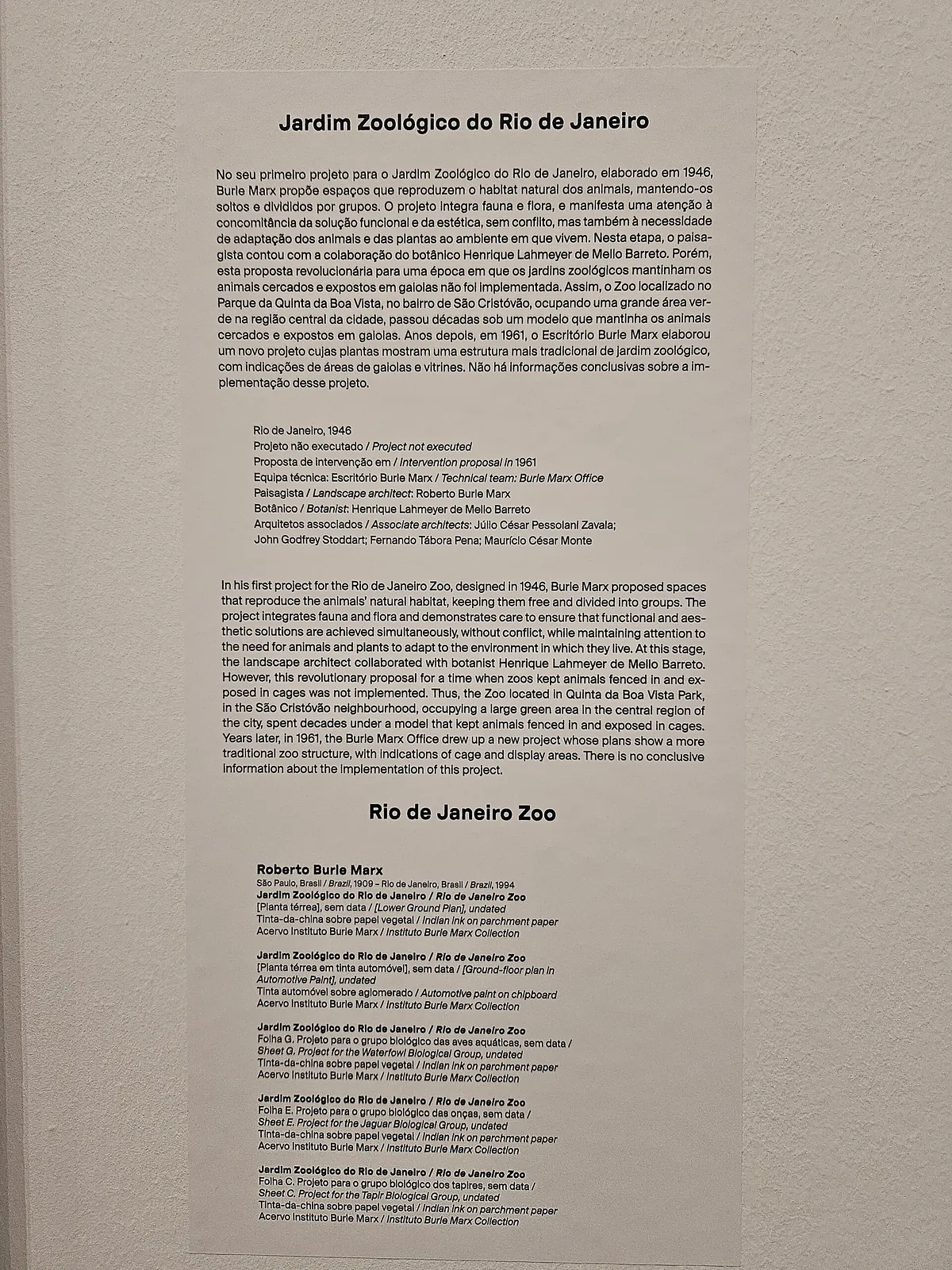
For animals up close in Rio de Janeiro, you have two venues: BioParque do Rio, the city zoo in the Quinta da Boa Vista park, and Aquario Marinho do Rio de Janeiro (AquaRio), the marine aquarium in Gamboa. If you'd rather see wildlife free and unticketed, Tijuca National Park's forest sits inside the city and holds capuchin monkeys and marmosets among more than 230 species. With one day to spare, pick whichever of the zoo or the aquarium suits your group, then add Tijuca if you have a second.
Which venue to choose
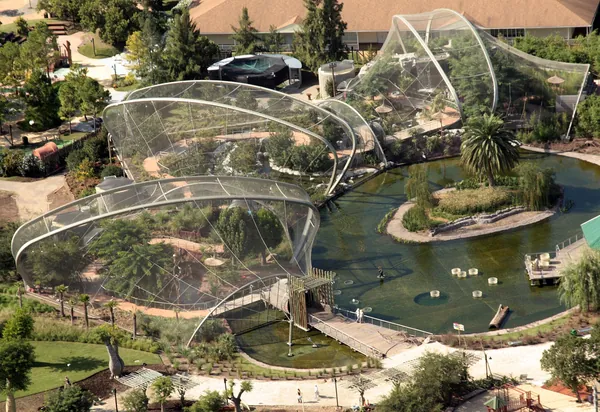
BioParque do Rio traces back to a zoo founded in 1870, but almost nothing of that history is visible today. Brazil's environmental agency IBAMA shut the site in 2016 over structural problems, and it reopened in 2021 completely rebuilt and renamed: animals now move through tunnels, corridors and walkways designed to resemble a tropical forest, rather than sitting behind bars. The grounds cover about 155,000 square metres inside Quinta da Boa Vista, split into themed areas including the African Savanna, the Reptile Villa, Primate Island, a farm area, and the Burle Marx Garden for aquatic birds, designed by landscape architect Roberto Burle Marx.
AquaRio is newer and single-purpose: it opened on 31 October 2016 in the Gamboa district and is the largest marine aquarium in South America, with roughly 26,000 square metres of built area across five floors and 28 tanks. If your priority is a big single spectacle rather than a few hours of walking, AquaRio's main tank is the more concentrated experience; if you want variety and space to wander, BioParque's rebuilt grounds give you more ground to cover.
Featured location Bioparque do Rio Rio de Janeiro, Brazil ALPZA Bioparque do Rio, opened in 1940, is a zoo in Brazil. Animals on show include axolote, serpentes, jacarés and quelônios.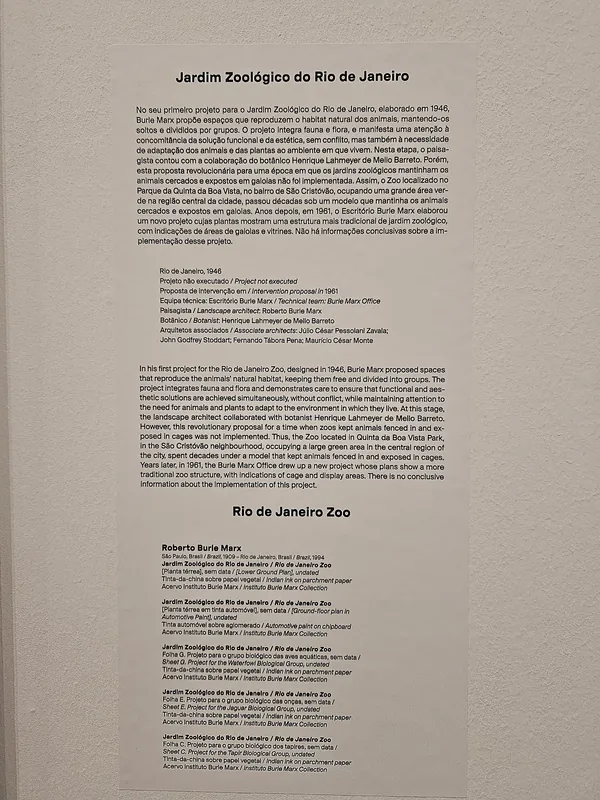
What not to miss
At BioParque, the Reptile Villa holds snakes, alligators and chelonians, and Primate Island is worth slowing down for. The rebuilt walkways let you move between the African Savanna and the Burle Marx Garden without retracing your steps, which is part of the point of the 2021 rebuild. One caveat: in July 2025, nine guinea fowl at the park died of H5N1 avian influenza, and the African Savanna area was closed as a precaution while the outbreak was investigated. The park has since reopened on its normal schedule, but it's a reminder that any one exhibit area can close on short notice for animal health reasons -- check the park's own site before you go if a specific animal is the reason for your visit.
At AquaRio, more than 10,000 animals from 350 species fill its tanks, but the one to build your visit around is the main oceanic tank: 3.5 million litres of water, a seven-metre ceiling, and a tunnel that runs straight through its interior, past nurse sharks, whitetip and blacktip reef sharks and sand tiger sharks. In June 2026, AquaRio also opened a new non-animal attraction in its lobby: a World Cup gallery inside its Dreamland wax museum, built around a hyper-realistic Pele statue that took more than two years to produce, alongside statues of Lionel Messi and Zico. It's a football detour rather than a wildlife one, but it now sits on the way in.
Tickets and saving money
BioParque do Rio charges by season: R$69 full price and R$34.50 half price in high season, dropping to R$61 and R$30.50 in low season, as of September 2026. Half price covers ages 3-21, seniors 60 and over, students with valid ID, and people with disabilities plus one companion; children under 2 years 11 months go free. Parking on site costs R$40 for visitors and R$35 for members, from 8am to 5pm on operating days.
AquaRio's ticket portal wasn't accessible to check on the day we wrote this, but its own blog listed prices in July 2025: R$99 for adults born or living in Rio de Janeiro state, and R$70 for a child ticket (ages 3-11). Its half-price rate covers ages 3-21 with ID Jovem, people 60 and over, and students; children under 2 years 11 months go free. Confirm the current figures when you book, since those numbers are over a year old.
Getting there
BioParque do Rio's nearest metro and train station is Sao Cristovao, right next to the Quinta da Boa Vista park where the zoo sits.
AquaRio, in Gamboa, is reachable from Carioca metro station: take the VLT (light rail) Line 1 toward Terminal Gentileza and get off at the Utopia AquaRio stop.
BioParque do Rio says it was designed to be fully accessible and inclusive, and offers stroller rental on site; AquaRio publishes a dedicated accessibility guide. Neither allows pets beyond guide dogs and documented emotional-support animals, and BioParque additionally keeps those out of its Tropical Immersion area and farm feeding activities.
Other wildlife nearby
If a zoo or an aquarium isn't what you're after, Tijuca National Park gives you free-ranging wildlife instead of a ticket booth. At about 3,958 hectares, it's one of the largest urban forests in the world, and it wasn't always forest: it was replanted after being cleared for coffee plantations, with more than 100,000 trees planted between 1861 and 1887, before becoming an official national park in 1961. More than 230 species of animals and birds live there today, including capuchin monkeys, marmosets, coatis and agoutis -- so yes, you can find monkeys in Rio de Janeiro without setting foot in a zoo.
Time it around the weather: Rio's summers, December to March, are hot and humid with long spells of heavy rain, while winters, June to August, stay mild, with average temperatures above 25C and less rain. A drier winter day makes for easier walking in Tijuca than a wet summer afternoon.
Frequently asked questions
- Where can you see wildlife in Rio de Janeiro?
BioParque do Rio and AquaRio are the city's ticketed venues, in Quinta da Boa Vista and Gamboa respectively. For animals in the wild rather than in an enclosure, Tijuca National Park's forest, inside the city, holds more than 230 species.
- What animals live in Rio de Janeiro?
Free-ranging species recorded in Tijuca National Park include capuchin monkeys, marmosets, coatis and agoutis, alongside hummingbirds and thrushes. BioParque do Rio and AquaRio between them hold species from Brazil's savanna, reptile and marine habitats, plus animals from further afield.
- Are there monkeys in Rio de Janeiro?
Yes. Capuchin monkeys and marmosets both live wild in Tijuca National Park, inside the city, alongside coatis and agoutis.
- Is BioParque do Rio the same as the old Rio Zoo?
It's on the same site, Quinta da Boa Vista, where the zoo moved in 1945, but IBAMA closed that zoo in 2016 over structural problems, and what reopened in 2021 was rebuilt and renamed BioParque do Rio, with animals moving through tunnels and walkways instead of behind bars.
- Is BioParque do Rio open every day?
No. It opens Wednesday to Sunday, 9am to 5pm, with last entry at 4pm, and is closed Mondays and Tuesdays. AquaRio, by contrast, opens daily: 9am to 5pm on weekdays and 9am to 6pm on weekends and holidays, with last entry an hour before closing.
Discover more in Rio de Janeiro
Plan your visit to Rio de Janeiro
See all 2 zoos, aquariums and wildlife attractions in Rio de Janeiro, with opening hours, ticket prices and accreditation.
Browse Rio de JaneiroMore guides
-
 Day Trips
Where to See Animals Near Iguazu Falls
Wild coatis at the falls, rescued macaws next door, falconry minutes away: how to see Iguazu's animals and fit all three into one trip. -
 Trip Planning
Is There a Zoo in Bogotá? Where to See Animals Near the Capital
Bogotá has no city zoo. Compare the nearest animal parks on distance, animals and opening days, and pick the right day trip from the capital. -
 Comparisons
Ecoparque or Temaikèn: Which Buenos Aires Wildlife Park to Visit
One is in Palermo near the Line D metro, the other a full day out in Escobar. Compare animals, prices, buses and hours, then choose.