
Family Travel
Lithuania with Kids: Kaunas Zoo and Klaipėda's Dolphinarium
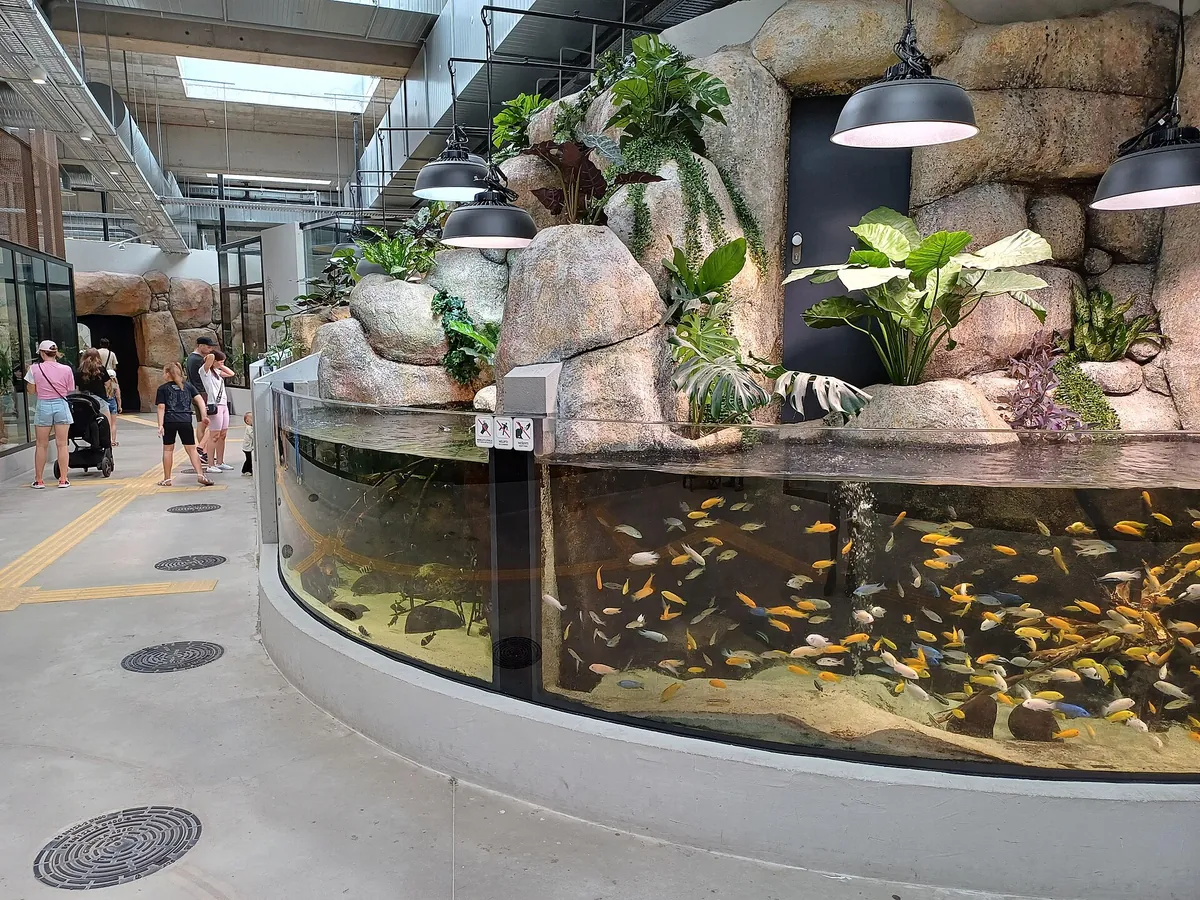
Lithuania's two listed animal attractions sit on opposite sides of the country and suit different kinds of day out. The Lithuanian Zoo is a 15-hectare oak-grove zoo in Kaunas; the Dolphinarium is the dolphin and sea lion show that shares Klaipėda's Sea Museum, out on the Curonian Spit. Treat them as two separate legs of a trip rather than one day: a few hours at the zoo, and a ferry crossing plus a show time to plan around at the coast.
What not to miss
The Lithuanian Zoo opened on 1 July 1938 with 40 animals, set inside one of the largest oak groves in Europe within the city of Kaunas. Its signature animals include the Amur tiger, lion, Nubian giraffe and white rhinoceros.
Featured location Lithuanian Zoo Kaunas, Lithuania The 15.66-hectare site lies within the Ąžuolynas oak grove park in the Žaliakalnis elderate. The zoologist Tadas Ivanauskas founded it, and 40 animals were on show when the doors opened on 1 July 1938. He intended it to teach the public about protecting the natural world and to press the case for saving species at risk.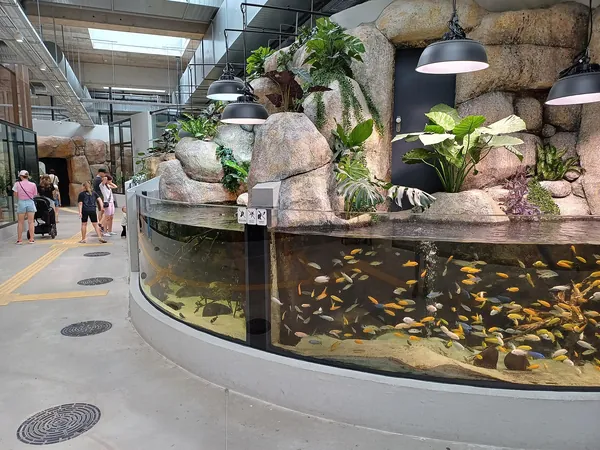
At the coast, the Dolphinarium sits inside the Lithuanian Sea Museum, whose aquarium occupies the historic Nerija fort on the Curonian Spit at Smiltynė. The shows here pair dolphins with California sea lions, and a separate aquarium ticket gets you into the fish and invertebrate exhibitions in the same complex.
The Lithuanian Sea Museum is one of the most visited and unique museums in Lithuania, located in a unique location—Smiltynė, on the Curonian Spit.
Budget about 3 hours for the zoo. At the coast, the museum and aquarium exhibits take about 1.5 hours on average, and a dolphin show itself runs 35 minutes, so build your visit around whichever show time fits your day.
Best time to visit
Lithuanian summer days run around 20°C with nights near 14°C, occasionally climbing to 30-35°C, while winter is a different country: Vilnius averages -3.7°C in January, and the coast can drop to -34°C. That swing shows up directly in what's open. The Dolphinarium runs its fullest schedule in July and August, with the aquarium open Tuesday to Sunday and four shows a day; April, May and September keep it to Wednesday-Sunday with two shows a day; from October to March it opens only Friday to Sunday, with a single Friday show and two more over the weekend. The zoo, by contrast, keeps the same daily opening hours year-round, but its ticket price drops in the winter season.
Tickets and saving money
At the zoo, adult admission is €15 in the regular season and €10 in winter; a child aged 3-18, a student or a pensioner pays €7.50, dropping to €5 in winter. Children up to 2 (inclusive) and visitors with disabilities go free, a disabled visitor's companion gets 50% off, and holders of Lithuania's Family Card get 30% off any of those prices.
At the coast, an adult aquarium ticket is €10 off-season and €14 in the May-September peak; the dolphin show costs €12 off-season and €18 in peak, with children aged 4 and up paying €8 or €12 and under-4s going free if they don't need a seat. Family Card holders again pay less — for example €10 for an adult dolphin-show ticket off-season, against the standard €12.
Getting there
If you're coming from the capital, Vilnius and Kaunas are 104 km apart and the fastest train covers it in 69 minutes, which comfortably fits a zoo visit into a Vilnius-based day.
Reaching the Dolphinarium means crossing to Smiltynė on the Curonian Spit. On foot, take the pedestrian ferry from the Old ferry terminal at Ernesto Galvanausko boulevard 1 in Klaipėda; once you land, the museum is 1.8 km away, a 20-minute walk, with a bicycle or a paid mini-train as alternatives. Arriving by car, use the New ferry terminal instead. Parking near the museum is only paid from 1 May to 15 September — free the rest of the year.
With kids and accessibility
At the zoo, dogs and other pets aren't allowed, for disease control and the animals' own peace, and bicycles, e-scooters and skateboards stay outside too, because there's nowhere to leave them. Wheelchair users and other visitors with disabilities enter free, and a companion travelling with them gets half off.
At the Dolphinarium and Sea Museum complex, pets are barred throughout, including inside the Dolphinarium itself. The museum describes its services as adapted for visitors with visual, hearing and mobility impairments. For a break, there's a café in the Dolphinarium's own lobby, plus a rooftop café that opens in the warm season.
Frequently asked questions
- How big is Kaunas Zoo?
The Lithuanian Zoo's grounds cover 15.66 hectares. It opened on 1 July 1938 with 40 animals.
- What is there to do in Kaunas with children?
The zoo is the main draw: budget about 3 hours to see its exhibits properly, set inside one of the largest oak groves in Europe. Its signature species are the Amur tiger, lion, Nubian giraffe and white rhinoceros.
- How do you get from Vilnius to Kaunas?
They're 104 km apart, and the fastest train makes the trip in 69 minutes.
- Are there wolves or wild cats in Lithuania?
Yes to both. The Eurasian lynx is described by the zoo as the only member of the cat family living wild in Lithuania, having nearly disappeared from the country in the early 20th century before recovering. Wikipedia's list of Lithuania's mammals includes both the gray wolf and the Eurasian lynx.
- Is Klaipėda worth visiting?
If you're going for the Dolphinarium, yes, and there's more around it: Klaipėda is Lithuania's only major seaport, sitting next to the Curonian Spit resort of Neringa and, further north, Palanga. The Lithuanian side of the Curonian Spit National Park, established in 1991 and covering 273.89 sq km, includes the grey dunes of the Nagliai reserve — worth the walk if the dolphin show times leave you a gap.
Discover more in Lithuania
Plan your visit to Lithuania
See all 2 zoos, aquariums and wildlife attractions in Lithuania, with opening hours, ticket prices and accreditation.
Browse LithuaniaMore guides
-
 Day Trips
Safari Parks in Germany: Where You Can Drive Among the Animals
Germany's two drive-through safari parks compared on price, rules and timing, plus the zoos where a boat safari beats taking the car. -
 Trip Planning
What Is the Biggest Zoo in the UK?
Whipsnade is the UK's biggest zoo by area; Chester has more animals. Compare five giants on size, time, tickets and access, then pick your day out. -
 Day Trips
Zoos Near Paris: The Best Animal Day Trips From the City
City zoo, drive-through safari or pandas two hours away? Compare the zoos near Paris by travel time, price and what each does best.