
Trip Planning
Is There a Zoo in Iceland?
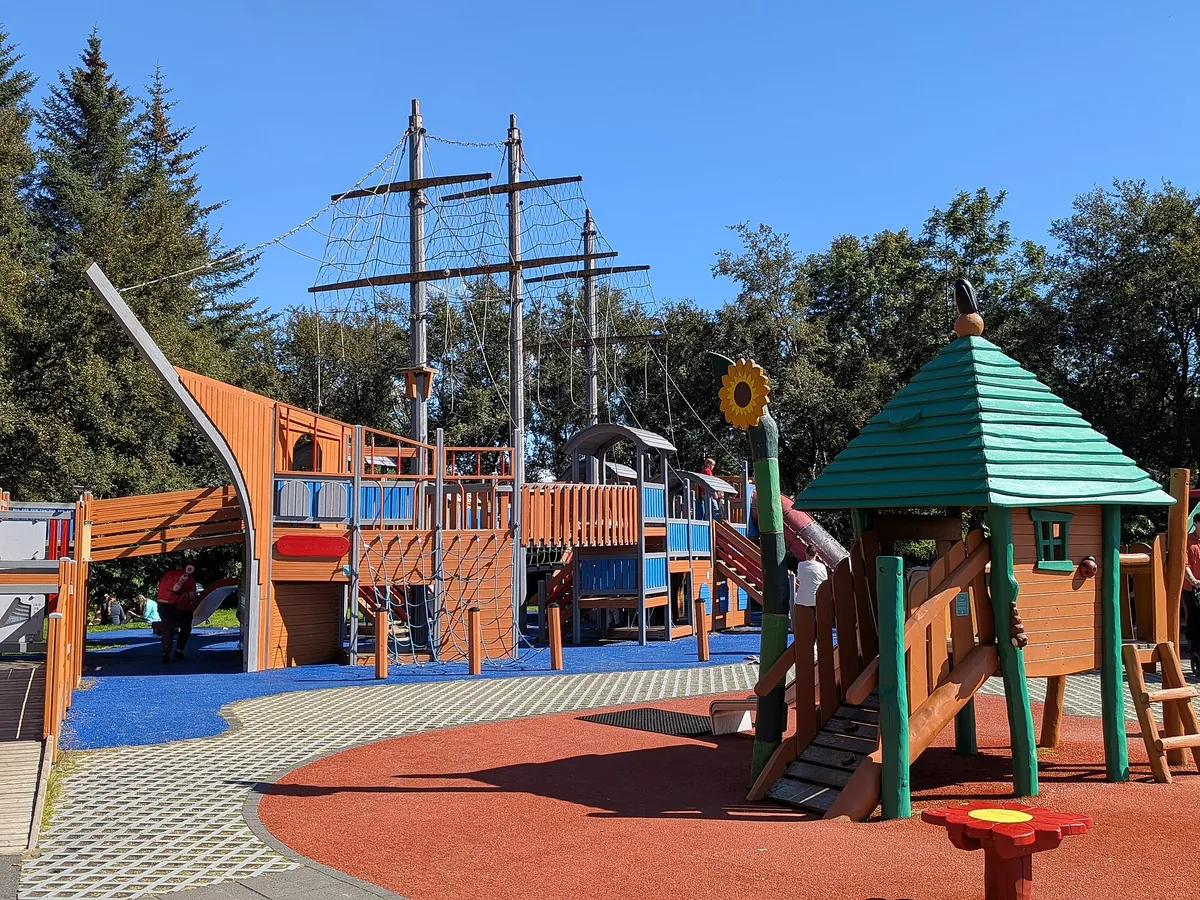
Yes: Reykjavík Park and Zoo, in the Laugardalur area of the capital, is Iceland's zoo. Its zoo section keeps Icelandic animals alongside some exotic species from around the world, next to a family amusement park with playgrounds and seasonal rides.
What not to miss
Featured location Reykjavík Park and Zoo Reykjavíkurborg, Iceland The grounds stand next to the city botanical garden. The family park came into use on 4 June 1993, which created the combined park. Entry is on the farm-animal side, with the family park at the far end across a bridge, where a second entrance once stood; that old gate can still be used to leave.
The zoo opened on 19 May 1990, and the adjoining family park followed on 4 June 1993. Between them they keep horses, sheep, goats, reindeer and cattle; pigs and seals; hens, geese, ducks and doves; rabbits and guinea pigs; arctic foxes; and reptiles, amphibians and insects in a dedicated reptile house. Several of these -- the arctic fox, the seals, the reindeer -- are also Iceland's own wild animals, so a visit doubles as an introduction to what's living outside the city.
In the Zoo section you will find Icelandic animals along some exotic ones from around the world.
The family park side has a pirate-ship playground, a farm-themed playground, and Iðavellir, a sandpit for wading and playing, plus a dancing game and a memory game. Beyond those, its staffed rides -- the Heiðrún carousel, a children's driving school, the Elliði swinging ship, a park train, a free-fall ride, a 360-degree rotating swing and pond boats -- run every day until 31 August, then only on weekends from 1 September, weather permitting.
Tickets and saving money
As of September 2026, adults pay 2,800 ISK and children pay 1,600 ISK; children aged 0-5 and visitors with a disability go free. If you'll visit more than a couple of times a year, an annual pass costs 7,000 ISK for adults, 4,000 ISK for children, and 4,000 ISK for visitors aged 67 and over.
Getting there
The zoo is at Múlavegur 2, 104 Reykjavík, in Laugardalur, and shares free parking with the neighbouring ice rink. Without a car, bus routes 2, 5, 15 and 17 stop at the Laugardalshöll stop, at the junction of Suðurlandsbraut and Vegmúli.
Pets aren't allowed inside the park, and visitors can't ride bicycles, scooters, skates or skateboards within the grounds.
Best time to visit
The zoo runs on two schedules: 10am to 6pm from June through August, and 10am to 5pm from September through May under its winter 2025/26 hours. The staffed rides run daily up to 31 August; after that they're weekends only, and only if the weather cooperates. If the rides matter to your visit, come in summer.
Other wildlife nearby
The zoo can't show you a puffin, because Iceland's puffins aren't in a zoo -- they're on its coastal islands. Lundey, less than 7 kilometres from central Reykjavík, is a nesting site for puffins alongside black guillemots, fulmars and Arctic terns. Iceland's colonies as a whole hold about 60% of the world's Atlantic puffins, some five million breeding pairs, making it the country's most numerous bird; roughly half of them breed in the Westman Islands, further along the south coast. The birds spend autumn and winter out at sea and only return to the coast at the start of the breeding season in late spring, so a puffin trip and a zoo visit are best planned for the same summer months.
The zoo's own animals mirror the rest of Iceland's short wild-mammal list: the arctic fox is the only land mammal actually native to the country, the harbour seal and grey seal breed on its beaches, and its reindeer descend from an introduced herd -- a wild population of several thousand still lives in the northeast, well outside Reykjavík.
Frequently asked questions
- Does Reykjavík Zoo have puffins?
No. Its birds are hens, geese, ducks and doves; for puffins, the nearest colony is Lundey island, less than 7 kilometres from the city centre.
- What animals are at Reykjavík Zoo?
Horses, sheep, goats, reindeer and cattle; pigs and seals; hens, geese, ducks and doves; rabbits and guinea pigs; arctic foxes; and a reptile house with reptiles, amphibians and insects.
- Can you see puffins in Reykjavik?
Not at the zoo, but on nearby coastal islands: Lundey, less than 7 kilometres from the city centre, hosts a nesting colony alongside black guillemots, fulmars and Arctic terns. They're only there in the warmer months, returning to the coast at the start of the breeding season in late spring.
- Does Iceland have wild animals?
Its wild-mammal list is short: the Arctic fox is the only species native to the country. Harbour seals and grey seals breed on its beaches, and an introduced herd of reindeer, now several thousand strong, lives wild in the northeast.
Discover more in Iceland
Plan your visit to Iceland
See the one zoo, aquarium or wildlife attraction we list in Iceland, with opening hours, ticket prices and accreditation.
Browse IcelandMore guides
-
 Day Trips
Safari Parks in Germany: Where You Can Drive Among the Animals
Germany's two drive-through safari parks compared on price, rules and timing, plus the zoos where a boat safari beats taking the car. -
 Trip Planning
What Is the Biggest Zoo in the UK?
Whipsnade is the UK's biggest zoo by area; Chester has more animals. Compare five giants on size, time, tickets and access, then pick your day out. -
 Day Trips
Zoos Near Paris: The Best Animal Day Trips From the City
City zoo, drive-through safari or pandas two hours away? Compare the zoos near Paris by travel time, price and what each does best.