
Trip Planning
Is There a Zoo in Greece? Where to See Animals on Your Trip
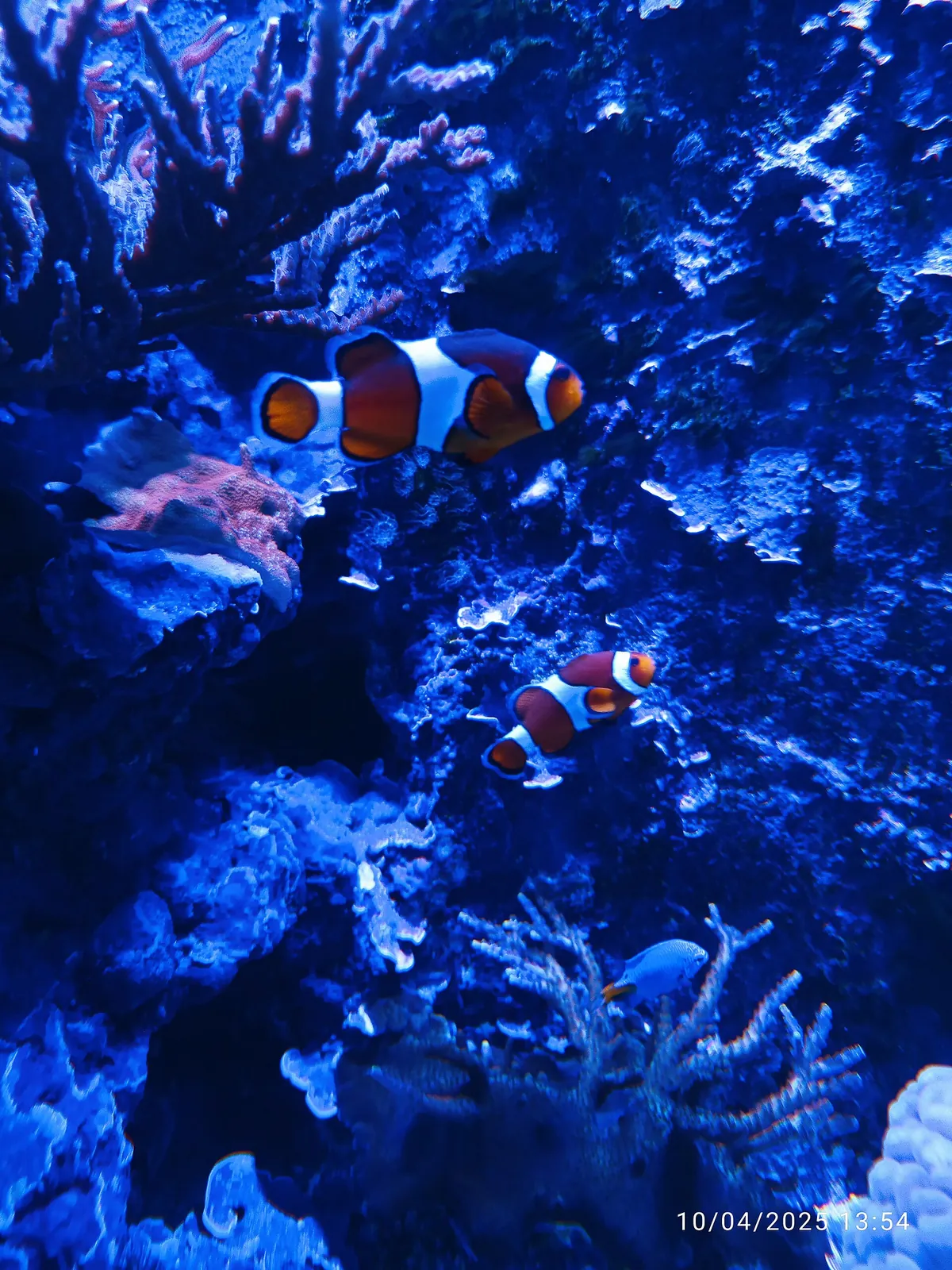
Yes: Attica Zoological Park, about 20 kilometres east of Athens, is the only zoo in Greece. If your trip does not pass through Athens, Cretaquarium near Heraklion and the Aquarium of Rhodes in Rhodes Town cover the country's two other islands with a captive-animal attraction. None of the three is close to the others, so which one you visit comes down to where you are staying.
Which venue to choose
Pick by island, not by preference: Attica Zoological Park, Cretaquarium and the Aquarium of Rhodes sit on the mainland near Athens, on Crete and on Rhodes respectively, so seeing more than one means a flight or a long ferry between them.
Featured location Cretaquarium Γούβες, Greece Conceived by staff of what was formerly the Institute of Marine Biology of Crete, it is a creation of the Hellenic Centre for Marine Research. It is presented as a park combining research, teaching, culture and leisure in order to spread knowledge of the sea, and stands east of Heraklion.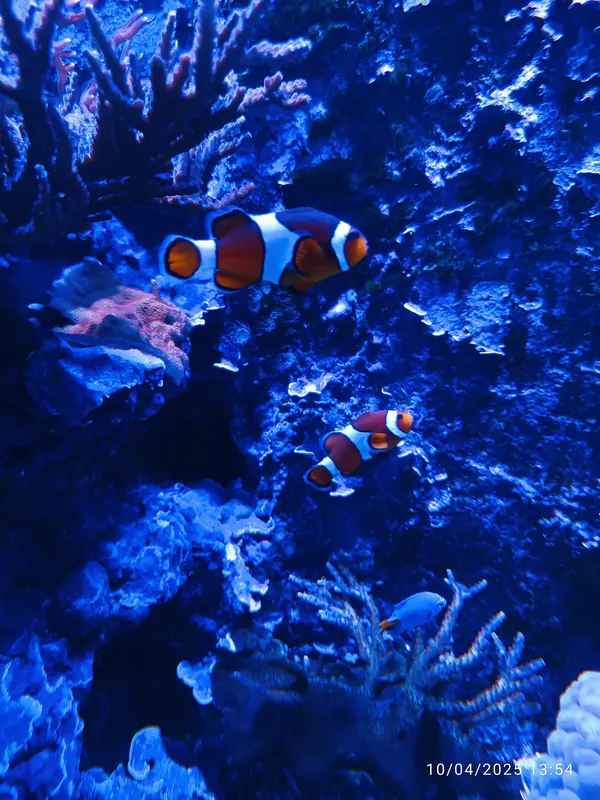
If you are based in or near Athens, Attica Zoological Park is your only captive-animal option in Greece: a full zoo spread over 200 acres. If your trip is to Crete, Cretaquarium is the larger of the two aquariums by a wide margin, with more than 20 times the water volume of the Rhodes aquarium and a virtual-reality dive as an extra. If you are on Rhodes, its aquarium is a much smaller, cheaper stop worth an hour rather than an afternoon, but it's also the oldest of the three, in a building put up in 1934-35.
What not to miss
Attica Zoological Park began life as a bird park and once held the third-largest bird collection in the world, 1,100 birds of 300 species; that side of the zoo is still its strongest. One change to know about before you go: the zoo's five dolphins were moved to Clearwater Marine Aquarium in Florida, a decision it says was made more than two years earlier, and the old dolphin area is now an open space for visitors rather than a show pool.
Attica Zoological Park says the dolphins served as ambassadors for species protection and were seen by more than 4 million visitors during their decade-long residency.
At Cretaquarium, head first for the Open Sea tanks: sandbar sharks and Caretta caretta sea turtles share the water with octopuses and lobsters. Elsewhere in the aquarium are dusky groupers, red corals and gorgonians. Its Behind-the-Scenes guided tour, which used to take visitors through the quarantine and water-filtration areas, is suspended until further notice, so don't plan a visit around it.
The Aquarium of Rhodes is smaller than either the zoo or Cretaquarium, and older: the building was put up in 1934-35 in Art Deco style by the Italian architect Armando Bernabiti and first opened in 1937, with tanks built into a corridor to resemble an underwater cave. Beyond the usual octopuses, sea urchins and corals, look for the freshwater tank of the Rhodes minnow, a fish found only on the island, and a 2,000-year-old Mediterranean monk seal skeleton recovered from an archaeological site.
Tickets and saving money
As of September 2026, Attica Zoological Park charges 25 euros for adults and 19 euros for children aged 3-12, with under-3s free; a family ticket for two adults and two children costs 70 euros.
Cretaquarium's general admission is 15 euros in the summer season, 1 April to 31 October; children aged 5-17 and adults over 65 pay 8 euros year-round, and under-5s and visitors with a disability go free. Groups of more than 20 pay 10 euros a head.
Getting there
Attica Zoological Park is in Spata, about 20 kilometres east of Athens -- allow time to drive or taxi out, since it isn't served by the city's zoo-free centre.
Cretaquarium sits on a former American military base at Gournes, 14km from Heraklion and its airport. A dense KTEL bus network connects Heraklion to the aquarium roughly every 20 minutes in summer and every 30 minutes in winter, and there's a free, spacious car park on site if you're driving.
The Aquarium of Rhodes is on Aquarium Square in the middle of Rhodes Town, making it one of the easiest of the three to reach on foot if you're already staying in town.
With kids and accessibility
Both Attica Zoological Park and Cretaquarium waive admission for young children: under-3s at the zoo, under-5s at Cretaquarium. Cretaquarium also admits visitors with a disability free. Cretaquarium's gift shop is on the ground floor and built to be reachable by all visitors, including elderly ones.
Frequently asked questions
- Does Athens have a zoo?
Not inside the city. Attica Zoological Park, the only zoo in Greece, is in Spata, about 20 kilometres east of Athens.
- Is there an aquarium in Athens, Greece?
No. Greece's two aquariums are on Crete, at Cretaquarium near Heraklion, and on Rhodes, in the middle of Rhodes Town.
- How big is Cretaquarium?
It covers 1,600 square metres with 61 tanks holding 1.8 million litres of water in total, the largest single tank holding 600,000 litres, and houses more than 2,500 animals of about 250 species.
- Where is the Aquarium of Rhodes?
On Aquarium Square in the middle of Rhodes Town, inside a building constructed in 1934-35.
- Is the Aquarium of Rhodes worth visiting?
For roughly half an hour to an hour, yes as a cheap, walkable stop in Rhodes Town: it's a fraction of Cretaquarium's size, but the 1930s Art Deco building and the historic exhibits, including a 2,000-year-old monk seal skeleton, are not something the bigger aquarium has.
Discover more in Greece
Plan your visit to Greece
See all 2 zoos, aquariums and wildlife attractions in Greece, with opening hours, ticket prices and accreditation.
Browse GreeceMore guides
-
 Day Trips
Safari Parks in Germany: Where You Can Drive Among the Animals
Germany's two drive-through safari parks compared on price, rules and timing, plus the zoos where a boat safari beats taking the car. -
 Trip Planning
What Is the Biggest Zoo in the UK?
Whipsnade is the UK's biggest zoo by area; Chester has more animals. Compare five giants on size, time, tickets and access, then pick your day out. -
 Day Trips
Zoos Near Paris: The Best Animal Day Trips From the City
City zoo, drive-through safari or pandas two hours away? Compare the zoos near Paris by travel time, price and what each does best.