
Comparisons
Honolulu Zoo or Waikiki Aquarium: Which One, or Both?

If you can only fit one into a Waikiki day, pick by what you want to see and how much heat you're willing to stand in: Honolulu Zoo is a 42-acre walk among land animals that takes real time in full sun, while Waikiki Aquarium is a small, largely indoor stop built around Hawaii's own reef. Both sit on Kalakaua Avenue at the edge of Kapiolani Park in Honolulu, close enough that doing both on one day is realistic rather than a stretch.
Which one to choose
Honolulu Zoo traces back to 1916, when the city acquired an African elephant named Daisy -- it's the only zoo in the United States founded through grants from a sovereign monarch, inside what was already Queen Kapiolani Park. Today it covers 42 acres and holds about 1,230 animals, from African penguins and fennec foxes, which live in family groups of up to 10, to the crocodile monitor, the longest lizard species alive, and the endangered Fiji iguana. The zoo also does conservation work for native Hawaiian species: the nene, Kamehameha butterflies, and the Amastra cylindrica tree snail, of which more than 140 have been returned to the wild after only one was left in 2015.
Featured location Honolulu Zoo Honolulu, United States AZAWAZA-WP Set within the 300-acre royal Queen Kapiʻolani Park, it is the only American zoo founded on grants from a reigning monarch. More than 1,230 animals are held in purpose-built habitats, and annual visitors exceed 750,000. The Department of Enterprise Services runs it for the combined city and county government.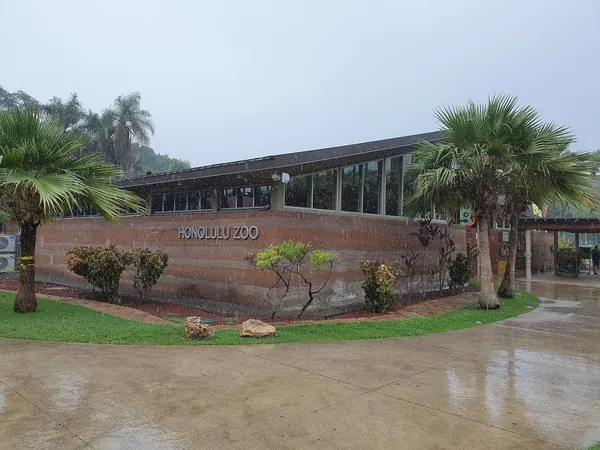
Waikiki Aquarium, a few minutes away on the same stretch of Kalakaua Avenue, opened on 19 March 1904 and is the second-oldest continuously operating public aquarium in the country, after the New York Aquarium; it has been part of the University of Hawaii at Manoa since 1919. It's a fraction of the zoo's size at 2.35 acres, but its scientific history includes the first living Pacific coral displays in the US, in 1978, and the first production of viable chambered nautilus embryos anywhere in the world. Its galleries include the Living Reef, opened in February 2019, a Hawaiian Monk Seal Habitat, the shark-and-jack tank Hunters on the Reef, the jellyfish gallery Ocean Drifters, and the Northwestern Hawaiian Islands exhibit, which the aquarium describes as the largest single area dedicated to conservation in the United States.
Featured location Waikiki Aquarium Honolulu, United States Dating from 1904, it has belonged to the University of Hawaiʻi at Mānoa for over a century, that link having been formed in 1919. Only the New York Aquarium is older among American public aquariums still operating. It stands on the shore next to a living coral reef, with more than 3,500 organisms representing 490 species of marine plant and animal.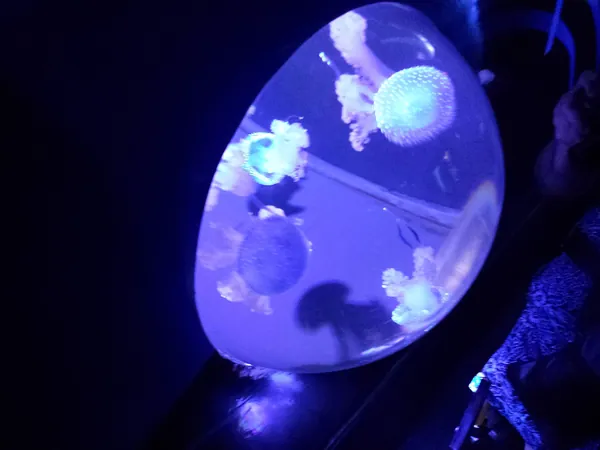
Choose the zoo if you want a longer day outdoors with land animals and don't mind the sun; choose the aquarium if you'd rather spend an hour or two mostly indoors, focused entirely on the reef.
Tickets and saving money
As of September 2026, Honolulu Zoo charges $21 for ages 13 and up and $13 for children 3-12, with children under 2 free. Hawaii residents and active-duty U.S. military with ID pay a lower kama'aina rate instead: $10 for ages 13 and up and $6 for children 3-12.
Waikiki Aquarium is cheaper across the board: $12 general admission, $5 for children 4-12, and free for children 3 and under. Seniors 65 and up and visitors with disabilities pay $5, and military, Hawaii students and kama'aina pay $8. Every paid ticket also includes the aquarium's free mobile audio guide, so there's nothing extra to rent to get the full commentary.
Best time to visit
Honolulu's weather rewards planning around the calendar as much as the clock. Winter (December to March) stays mild, with average lows of 65-75°F, while summer (June to September) brings average highs of 80-90°F and only about 32 days a year that reach 90°F or hotter. Rain mostly falls from October through early April; summer sees very little of it. Across the year the city still averages 278 sunny days against 89.2 rainy days and 16.41 inches of rain.
That split favors the aquarium's mostly indoor tanks on a hot or rainy afternoon, and the zoo's open-air paths on a cooler morning. The two also keep different hours: the zoo runs 10am to 3pm, with the grounds closing at 4pm, while the aquarium stays open later, 9am to 4:30pm, with the building closing at 5pm. If you're doing both in a day, the zoo's earlier cutoff makes it the one to visit first.
If your trip has a day to spare beyond the two venues, Hanauma Bay Nature Preserve, a marine life conservation district on the other side of the island in Hawaii Kai, is home to about 400 fish species along with green sea turtles and parrotfish -- though it caps visits at 720 guests a day and requires online reservations, plus an entrance fee, for anyone who isn't a Hawaii resident.
Getting there
Honolulu Zoo sits at the corner of Kapahulu Avenue and Kalakaua Avenue, between the slopes of Diamond Head and Waikiki. Its own lot on Kapahulu Avenue charges $1.50 an hour with a four-hour maximum, or you can park free across the street at the Waikiki Shell lot on Monsarrat Avenue.
Waikiki Aquarium is at 2777 Kalakaua Avenue, on the shoreline in Kapiolani Park, reachable by TheBus routes 14, 19, 20 or 22, or the Waikiki Trolley's Green Line. Parking is tighter here: the spaces on the park side of Kalakaua Avenue are metered, and only a handful of free stalls sit right in front of the entrance.
With kids and accessibility
Honolulu Zoo rents wheelchairs and double strollers for $15 each, to be returned by 3:30pm.
At Waikiki Aquarium, visitors with disabilities pay the discounted $5 rate, the same as seniors, and children 3 and under get in free -- useful if you're bringing a stroller-age toddler to a visit built around tanks rather than long walks.
Frequently asked questions
- Is the Honolulu Zoo worth it?
That depends on how much time and heat you want to spend outdoors. The zoo covers 42 acres of largely open-air exhibits and holds about 1,230 animals, including African penguins, fennec foxes and the crocodile monitor, the longest lizard species alive. At $21 for adults it costs nearly twice the aquarium's $12, so it earns its price if you want a full morning or afternoon with land and exotic animals rather than a shorter marine-life stop.
- Is Honolulu Zoo or Waikiki Aquarium better?
Neither is objectively better -- they show different things. The zoo is bigger, at 42 acres against the aquarium's 2.35, and built around land animals and Hawaiian conservation work with the nene and Kamehameha butterfly. The aquarium is compact and mostly indoor, built entirely around the reef, with exhibits like its Northwestern Hawaiian Islands conservation area, which it describes as the largest single area dedicated to conservation in the country. Pick the zoo for a longer, more physical day out, and the aquarium for a shorter stop focused on marine life.
- How big is the Honolulu Zoo?
It covers 42 acres in Kapiolani Park and holds about 1,230 animals, drawing more than 750,000 visitors a year.
- Is Waikiki Aquarium worth it?
For $12, yes if you care about marine life: it's the second-oldest continuously operating public aquarium in the United States, and its history includes being first in the world to produce viable chambered nautilus embryos and first in the US to display living Pacific corals, in 1978. It's a short visit by design, not a half-day attraction like the zoo.
- Is the Waikiki Aquarium indoors?
Mostly, but not entirely: the aquarium is largely indoor, though the Edge of the Reef and the giant clam display are outdoor exhibits.
Discover more in Honolulu
Plan your visit to Honolulu
See all 2 zoos, aquariums and wildlife attractions in Honolulu, with opening hours, ticket prices and accreditation.
Browse HonoluluMore guides
-
 Comparisons
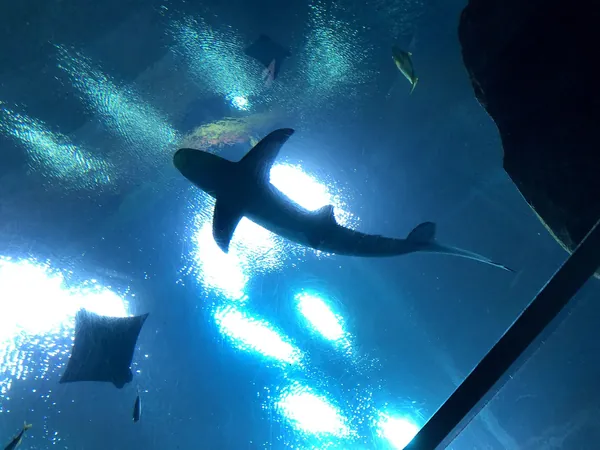
The Largest Aquariums in the US, and Which Are Worth the Trip
Georgia Aquarium is the biggest in the US, but is it your best trip? Five giant aquariums compared, with ticket prices for three of them. -
 Comparisons
Pittsburgh Zoo or National Aviary: Which Should You Visit?
The big outdoor zoo in Highland Park or the indoor bird aviary on the North Side: how weather, time and kids' ages should decide. -
 Comparisons
San Diego Zoo or SeaWorld: Which One Should You Pick?
Pandas or orcas? Compare San Diego Zoo and SeaWorld on kids' ages, prices, food rules and travel, and pick the right park for your one free day.