
Comparisons
Dublin Zoo or Fota Wildlife Park: Which Should You Visit?
Choose Dublin Zoo if you are staying in the capital: it fits elephants, gorillas, rhinos and sea lions, more than 400 animals in all, into 28 hectares a 20-minute walk from Heuston Station. Choose Fota Wildlife Park if you are near Cork and want room to roam: 100 acres where ring-tailed lemurs and wallabies wander among the visitors and more than 240 cheetahs have been born since 1984. If your trip around Ireland takes in both, an annual pass at either park gets you into the other.
Which venue to choose
The two parks are family. Dublin Zoo first opened to the public on 1 September 1831, as the Zoological Gardens Dublin. Fota came much later: in 1979 the director of Dublin Zoo proposed a wildlife park to the Zoological Society of Ireland's council, and Fota opened to the public in June 1983. It is still part of the society today.
What separates them is the kind of day you get. Dublin is the busier park, with more than one million visitors a year, against about 430,000 at Fota. At Dublin you move from one themed habitat to the next inside the Phoenix Park. At Fota you cover 4.5 km of internal roads on Fota Island, with some of the animals loose beside you.
Dublin Zoo: the headline animals
Featured location Dublin Zoo Dublin, Ireland BIAZAWAZAWAZA-WP Decimus Burton drew up the design in 1830 and the gates opened a year afterwards. The grounds run to more than 28 hectares (69 acres) within Phoenix Park. Sea Lion Cove, Family Farm, Orangutan Forest, Gorilla Rainforest, the African Savanna and Wolves in the Woods are among the habitats.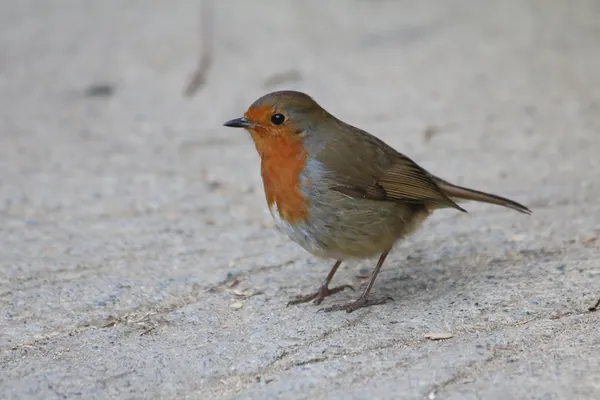
Start with the African Savanna, Dublin Zoo's largest habitat, where giraffes, southern white rhinos, ostriches and zebras share the space. Then follow the Kaziranga Forest Trail through dense bamboo to the elephant herd. A troop of western lowland gorillas lives in the Gorilla Rainforest, the snow leopard and red pandas sit at the highest point of the Asian Forests in the Himalayan Hills, and the California sea lions have had Sea Lion Cove since it opened in 2015.
The zoo has had a busy 2026. The Rainforest House near the Great Lawn, formerly the South American House and among the zoo's oldest buildings, dating from the 1860s, reopened in spring after a refurbishment: Dublin Zoo announced it on 23 April, with the public let in the following week. Inside you will find Bolivian squirrel monkeys, Venezuelan red howler monkeys, white-faced sakis, Linne's two-toed sloths and great curassows. Recent arrivals include two golden lion tamarins, Freddy and Andrea, and a southern tamandua, Valentine. Two giant anteaters have also arrived from Allwetter Zoo in Germany: Milo, a ten-year-old female, and Junio, an eight-year-old male.
Plan on at least three hours to see every habitat, and longer if you stop to eat or have young children with you.
Fota Wildlife Park: space and free-roaming animals
Featured location Fota Wildlife Park Cork, Ireland BIAZA It opened in 1983 as an independently funded non-profit charity, and several of its sections are laid out by habitat and region. In 2017 it drew 455,559 visitors, ranking eleventh among Ireland's paid attractions that year.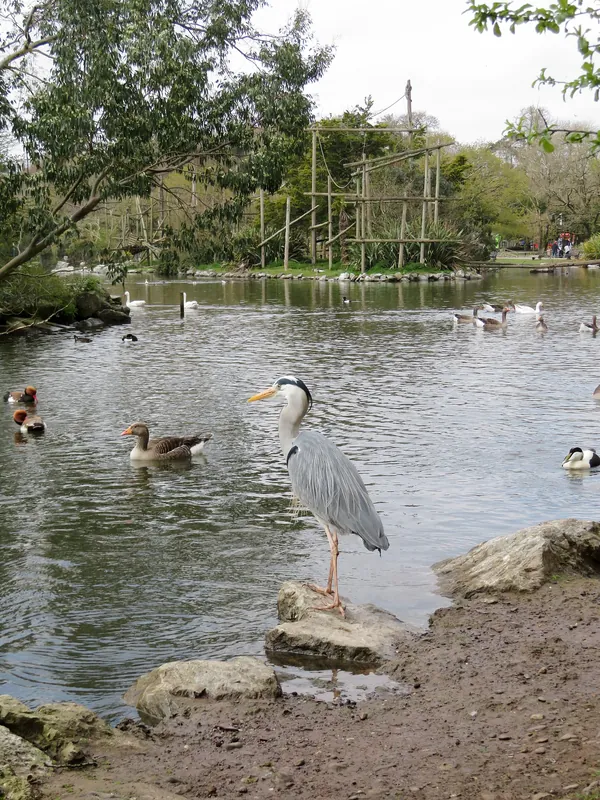
Fota sits on Fota Island, 10 km east of Cork City, and it is built around animals you walk among. Ring-tailed lemurs and wallabies roam freely with the visitors, and children can walk within metres of the kangaroos. Larger animals such as the giraffes and bison live in paddocks whose barriers are meant to stay out of your way.
The cheetah is the animal Fota is known for:
The cheetah is synonymous with Fota Wildlife Park as it is an internationally renowned breeding centre for the species, with over 240 births since 1984.
Two endangered Northern cheetah cubs, a male and a female, were born on 24 November 2025 to Florence and Nawab. The Asian Sanctuary, opened in 2015, adds Asian lions, Sumatran tigers and Indian rhinos, and Fota says it is the only zoological park in Ireland where you can see Indian rhinos. Its newest rhino calf is only the second Indian rhino ever born in Ireland. On and around Monkey Island you will find black howler monkeys, Colombian spider monkeys, siamangs and lemurs, with penguins, Chilean flamingos and great white pelicans in the wetlands.
Most visitors spend two and a half to three hours here. Seasonal feeding times for the penguins, giraffes, cheetahs and red pandas are included in your ticket, so check the day's times as you arrive and plan your route around them.
So which one?
Pick Dublin for elephants, gorillas, the snow leopard and sea lions, and for a zoo you can reach on foot from a mainline station. Pick Fota for cheetahs and Indian rhinos, for walking among lemurs and kangaroos, and for the lower gate price. If you want both, the annual pass is the link between them.
Best time to visit
Both parks open almost every day of the year. Dublin Zoo closes only on Christmas Day and St Stephen's Day; Fota closes from 24 to 26 December inclusive.
Go between March and September for the longest days. In those months Dublin Zoo opens from 9:30am to 6pm with last admission at 5pm. Fota, as of September 2026, opens daily from 9:30am to 6pm, but its last entry is at 4:30pm, so aim to arrive earlier there than you would in Dublin. Autumn and winter shorten both. Dublin opens from 9:30am to 5:30pm in October and from 9:30am to 4pm in November, December and January, with last admission at 3pm in those three months. Last winter, from 27 October 2025 to 30 January 2026, Fota closed at 4:30pm with last entry at 3pm.
Both are outdoor days, so the weather matters. April and May are Ireland's driest months on average and December is its wettest, which makes spring the safest bet for staying dry.
Tickets and saving money
These prices were checked in September 2026.
- Dublin Zoo: €26.50 for adults at the gate, €22.50 for an online day ticket or €25.50 for an online Flexi ticket; children aged 3-15 pay €20, €17 or €19, and under-3s go free. A family ticket for two adults and two children costs €75 at the gate or €62.50 online.
- Fota Wildlife Park: €22.50 for adults at the gate or €20.20 online, and €15.60 or €14.00 for children under 16. A family ticket for two adults and two children costs €65.50 at the gate, and parking is €3 per car.
Book ahead at either park. Dublin Zoo says booking online guarantees entry and saves up to 15%, and its Flexi ticket lets you come any time within two months, which helps if you want to wait for a dry day. Dublin Zoo's Kids Go Free offer runs online only from 13 to 27 September 2026, with one child free for each full-paying adult; student, senior, adult additional-needs and group tickets are excluded.
If you live in Ireland or expect to come back, price an annual pass against day tickets. Dublin Zoo's pass includes free entry to Fota, and Fota's pass can be used at Dublin Zoo. Fota's €3 parking charge also buys you more than a space: the car park is run by Fota House and Gardens, and the charge covers Fota House's grounds, walled gardens and arboretum too.
Getting there
Dublin Zoo is in the Phoenix Park. Without a car, take Dublin Bus route 99, which runs between Parkgate Street and the Phoenix Park Visitor Centre seven days a week from 9am to 6:30pm and stops at the zoo, or walk the 20 minutes from Heuston Station. If you drive, Lord's Walk car park is a two-minute walk from the zoo and holds 260 cars. Keep your eyes open in the park on the way: about 600 wild fallow deer live in the Phoenix Park, many descended from a herd introduced in the 1660s.
Fota is in East Cork, 15 minutes from Cork City by car or by train. The train is the easy option: the park has a dedicated entrance just outside Fota station on Irish Rail's Cork-Cobh line. Drive, and you pay €3 per car to park.
With kids and accessibility
Fota has 4.5 km of internal roads to walk. Its tour train costs €1 per person per trip and runs daily in peak season but only at weekends from November to March, so on winter weekdays small legs walk the whole way. For children, Fota's draw is closeness: kangaroos within metres, and feeding times included in the ticket.
For wheelchair users, Dublin Zoo has 12 wheelchairs, given out first come, first served, while Fota lends four manual wheelchairs free of charge, subject to availability. Both parks help visitors with additional needs. Fota takes 50% off the ticket for a child or adult with additional needs and lets their carer in free; at Dublin, buying an additional needs ticket brings one carer in free.
Assistance dogs are the sharpest difference. Fota admits no dogs, guide dogs and assistance animals included, though it has limited outdoor space with water for an assistance dog if you call ahead. Dublin Zoo looks after a guide dog in temporary accommodation, with fresh drinking water, while its owner visits.
Frequently asked questions
- Which is better, Dublin Zoo or Fota Wildlife Park?
Neither outright. Dublin has elephants, gorillas and sea lions and is a 20-minute walk from Heuston Station, while Fota gives you 100 acres, free-roaming lemurs and wallabies, cheetahs, and a cheaper adult gate price: €22.50 against €26.50, as of September 2026. Let where you are staying decide.
- Is Fota Wildlife Park a zoo?
It is a wildlife park, part of the Zoological Society of Ireland and first proposed by Dublin Zoo's director in 1979. Some animals roam freely among visitors and larger ones live in paddocks with unobtrusive barriers, though Fota calls itself a zoological park.
- Is Fota Wildlife Park open all year round?
Yes, apart from 24-26 December inclusive. Hours are shorter in winter: last winter it closed at 4:30pm, with last entry at 3pm.
- How long does it take to walk around Fota Wildlife Park?
Most visitors spend two and a half to three hours on its 4.5 km of internal roads. The €1 tour train can shorten the walking in peak season and at weekends.
- Is Dublin Zoo bigger than London Zoo?
Yes, by area. Dublin Zoo covers over 28 hectares (69 acres) and London Zoo 36 acres (15 hectares).
Plan your visit to Ireland
See all 5 zoos, aquariums and wildlife attractions in Ireland, with opening hours, ticket prices and accreditation.
Browse IrelandMore guides
-
 Day Trips
Safari Parks in Germany: Where You Can Drive Among the Animals
Germany's two drive-through safari parks compared on price, rules and timing, plus the zoos where a boat safari beats taking the car. -
 Trip Planning
What Is the Biggest Zoo in the UK?
Whipsnade is the UK's biggest zoo by area; Chester has more animals. Compare five giants on size, time, tickets and access, then pick your day out. -
 Day Trips
Zoos Near Paris: The Best Animal Day Trips From the City
City zoo, drive-through safari or pandas two hours away? Compare the zoos near Paris by travel time, price and what each does best.