
Comparisons
What Is the Biggest Zoo in Romania?
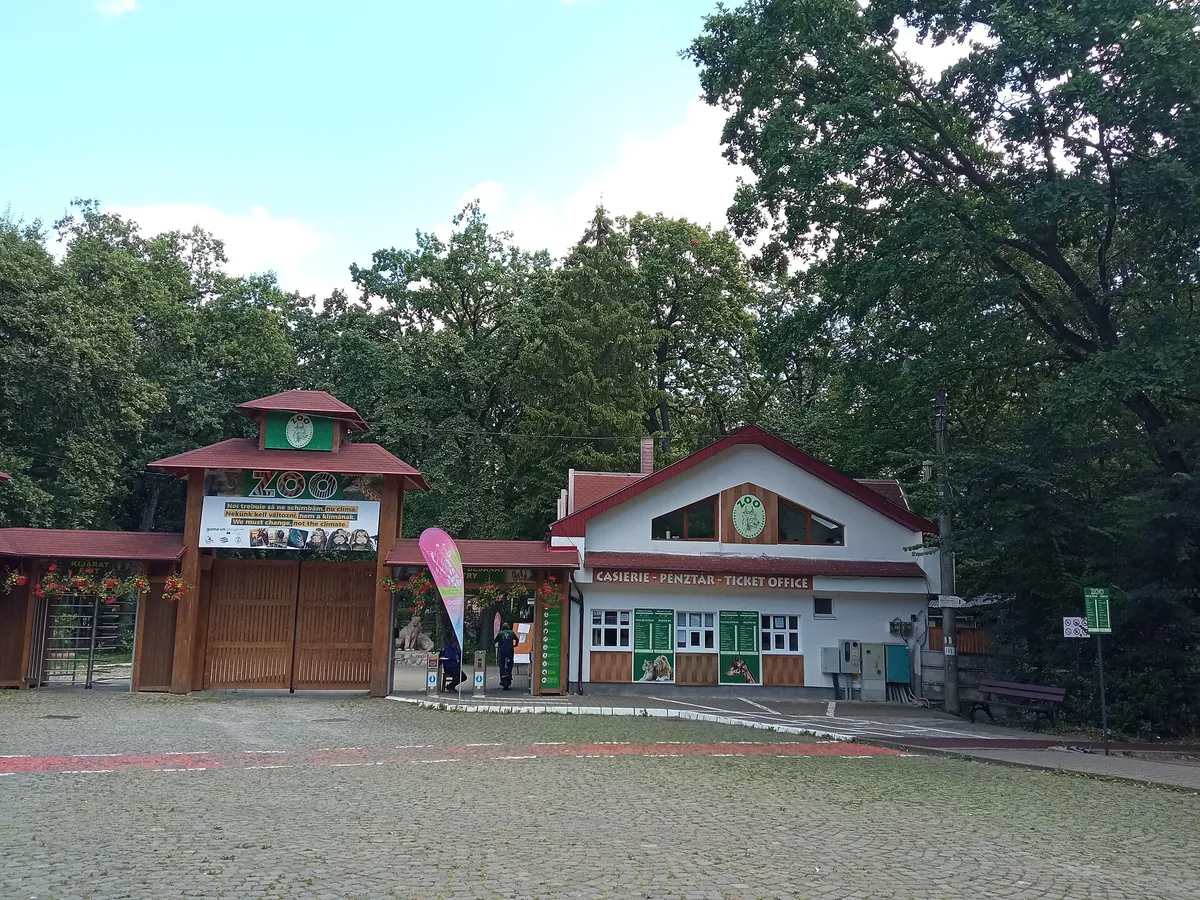
The biggest zoo in Romania is Târgu Mureș Zoo. It covers 42 hectares of forest on a plateau above the city, keeps about 800 animals of more than 150 species, and is the only zoo in the country with elephants, giraffes and gibbons. For the most to see in one day, go there; choose Zoo Sibiu for Romania's oldest zoo, or Brașov Zoo for the country's only sea lions, seals and penguins.
Which zoo to choose
On size, nothing in Romania comes close to Târgu Mureș. The zoo calls itself the country's largest by area, and the figures bear it out: 42 hectares against about 20 at Sibiu and 10 at Brașov. Bucharest's zoo at Băneasa covers just 5.85.
Târgu Mureș Zoo: the biggest, and the only elephants and giraffes
The zoo opened on 23 August 1964 with three wolves, two bears, two wild boars, two pheasants and a deer. A renovation between 2008 and 2011 took it to 42 hectares. It sits on the Cornești Plateau, 197 metres above the city, and an observation tower lets you look over the forest and the animals from above.
The daily animal events give your day a shape. They run on the hour: meerkats at 11:00, Hermann's tortoises at 12:00, alpine ibex at 13:00, the mandrill at 14:00, greater flamingos at 15:00 and the giraffes at 16:00. New since October 2025: the Reptile House has reopened, fully modernised after months of renovation.
Featured location Târgu Mureș Zoo Târgu Mureș, Romania This is the country's largest zoological garden. It stands at 488 m above sea level, 197 m above the city centre. Animals on show include elefanți, girafe, giboni, suricate and țestoasele de uscat.
Zoo Sibiu: the oldest, with boats to hire
Sibiu has the history. Its zoo opened in 1929 in the Dumbrava forest as the first zoo in Romania, set up by the city's electricity plant, and the oak at its entrance is more than 600 years old. Today it keeps more than 300 animals of 74 species, including monkeys, bears, white wolves, tigers, lions, jaguars, camels, zebras, ostriches and kangaroos.
The zoo's own pages disagree on its size: about 20 hectares on one, 15.1 on another. Either way it is under half the size of Târgu Mureș. What Sibiu adds is time on the water, with boats and pedalos to hire, plus a playground for small children.
Brașov Zoo: the only sea lions in Romania
Brașov packs the most species per hectare. Works from 2012 enlarged it from four to ten hectares, and it now keeps more than 380 animals of 110 species, more species than Sibiu, in a forest in the city's south-eastern Noua district.
It is the only zoo in Romania with sea lions, seals and penguins. Its four sea lions came from Amsterdam Zoo and Nuremberg Zoo at the end of 2024. The mammals also include the Siberian tiger, jaguar, snow leopard, brown bear, Carpathian lynx and red panda, and in September 2025 the zoo became a full member of the European zoo association, EAZA. One gap: the exotic building, with the reptiles and exotic fish, is temporarily closed. For a wet day, the planetarium run alongside the zoo describes its hall as the largest and most modern digital planetarium hall in Romania.
Constanța Aquarium: closed
The Constanța Aquarium, in the former restaurant of the Constanța Casino, has been closed since February 2023, when a piece of its ceiling came away. It stayed shut through summer 2026, pending major repairs. If you are on the coast anyway, the dolphinarium, micro-reserve and exotic birds exhibition of the city's Natural Sciences Museum Complex remain open this autumn, and children up to 7 get in free.
Tickets and saving money
These prices were checked in September 2026 and are in Romanian lei.
- Târgu Mureș Zoo: 40 lei for adults and 15 lei for children aged 2-18, students and pensioners; under-2s go free. There is no family ticket. A visitor with a disability certificate and one companion enter free, with the certificate and ID.
- Zoo Sibiu: 20 lei for adults and 10 lei for children from 3, school pupils, students and pensioners; under-3s go free. Boat hire costs 50 lei for 30 minutes.
- Brașov Zoo: 35 lei for adults and 15 lei for children over 6, school pupils, students and pensioners; children up to 6 go free.
If you will come back, the passes are the real saving. Zoo Sibiu's individual 12-month pass costs 50 lei for 10 entries, one a day: 5 lei a visit, against 20 lei at the gate. At Târgu Mureș, a one-year season ticket with unlimited entry costs 220 lei for adults and 110 lei for children, students and pensioners, so an adult is ahead from the sixth visit. At Brașov, buy online and you skip the ticket queue, scanning your ticket straight at the turnstile.
Best time to visit
Târgu Mureș is the easiest to plan around, because it opens every day of the year: 9:00-18:00 from March to October, with the last exit at 19:00, and 9:00-16:00 from November to February.
Zoo Sibiu's main gate opens at 9:30 every day, closing at 20:00 in June and July, 18:30 in September and 16:00 in November.
Brașov Zoo closes on Mondays, except in school holidays and on public holidays that fall on a Monday. From March to September it opens 9:00-19:00 Tuesday to Sunday, with the last tickets sold at 18:15; from October to February it closes at 18:00, with the last tickets at 17:15. Schools are in term from 7 September 2026 to 18 June 2027, so plan a term-time Brașov day for any day but Monday.
Getting there
- Târgu Mureș Zoo: you can reach the Cornești Plateau on foot, by bike, by car or by bus, but the bus runs only in summer. The car park, which is paid, is on the plateau, a 5-10 minute walk from the zoo entrance.
- Zoo Sibiu: in the Dumbrava forest, 5 km from the city centre towards Rășinari. By car, follow Calea Dumbrăvii and the signs; the entrance and car park are opposite the Hilton hotel. Bus route 13 links the railway station with the forest and the zoo.
- Brașov Zoo: take bus 17, 21 or 35 and get off at the Școala Generală nr. 9 stop.
With children and accessibility
Târgu Mureș is the best set up for families: it lends free carts at the entrance, has a private room for breastfeeding and baby care, and says it provides easy access for people with disabilities. Leave the dog at home: pets are barred, apart from assistance dogs registered at the ticket booth. Sibiu bars pets and bicycles.
Other wildlife nearby
For bears outside a zoo, go to the AMP Libearty Bear Sanctuary at Zărnești, in Brașov county, where more than 130 bears live on 69 hectares of forest, streams and pools. You can only visit on a guided tour, in Romanian or English, for a few hours in the morning, and it is always closed on Mondays. Tickets go on sale 10 days before the tour date. Children under five are not allowed, so with toddlers, see the brown bears at Brașov Zoo instead.
For birds, the Danube Delta, a UNESCO World Heritage Site since 1991, has more than 320 species in summer. Tulcea, at its western edge, is the gateway.
Frequently asked questions
- Where can you see bears in Romania?
At the Libearty Bear Sanctuary in Zărnești, Brașov county, home to more than 130 bears. Brașov Zoo and Zoo Sibiu keep bears too. In the wild, Romania has more than 6,000 brown bears, one of the largest concentrations in Europe.
- Where can you see wildlife in Romania?
For wild birds, the Danube Delta, reached through Tulcea, with more than 320 species in summer. For the widest range of animals in one place, Târgu Mureș Zoo.
- What animals live in Romania?
Its large carnivores are the European wildcat, Eurasian lynx, red fox, golden jackal, grey wolf and brown bear. You can see a Carpathian lynx and brown bears at Brașov Zoo.
- Is Brașov worth visiting?
If animals are part of the reason, yes: Brașov Zoo is the only Romanian zoo with sea lions, seals and penguins, and the Libearty Bear Sanctuary is in the same county.
Discover more in Romania
Plan your visit to Romania
See all 4 zoos, aquariums and wildlife attractions in Romania, with opening hours, ticket prices and accreditation.
Browse RomaniaMore guides
-
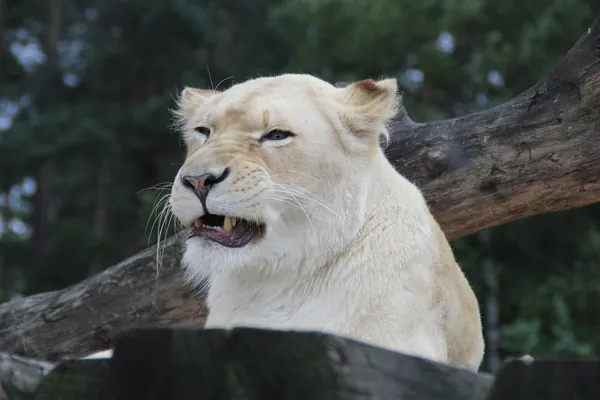 Day Trips
Safari Parks in Germany: Where You Can Drive Among the Animals
Germany's two drive-through safari parks compared on price, rules and timing, plus the zoos where a boat safari beats taking the car. -
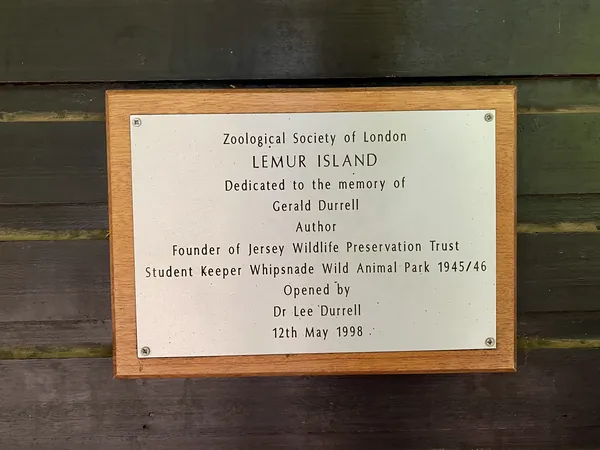 Trip Planning
What Is the Biggest Zoo in the UK?
Whipsnade is the UK's biggest zoo by area; Chester has more animals. Compare five giants on size, time, tickets and access, then pick your day out. -
 Day Trips
Zoos Near Paris: The Best Animal Day Trips From the City
City zoo, drive-through safari or pandas two hours away? Compare the zoos near Paris by travel time, price and what each does best.