
Comparisons
Pretoria Zoo vs Johannesburg Zoo: Which Should You Visit?
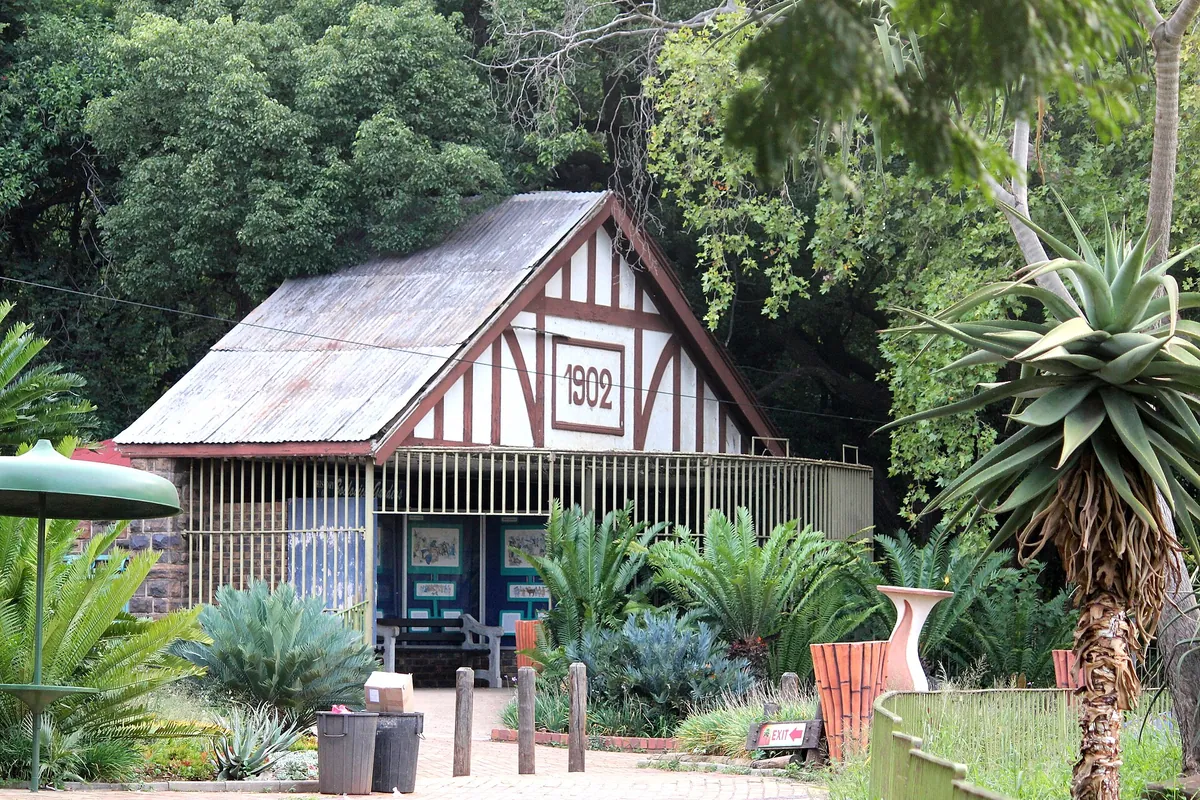
Choose Pretoria if you want the bigger day out: the National Zoological Garden is South Africa's largest zoo, 85 hectares with about 6 km of walkways, and an aquarium and a reptile park are part of the same site. Choose the Johannesburg Zoo if you want elephants, a smaller 55-hectare site, or a R22 ticket on the 22nd of the month.
Which zoo to choose
Size is the first difference. Pretoria covers 85 hectares against Johannesburg's 55, and its walkways add up to about 6 km. Half of the Pretoria zoo sits on the slopes of a hill, with the Apies River between it and the flat half, so expect some climbing. If a long walk is what worries you, the smaller zoo is the easier choice, or rent a golf cart at either.
Pretoria: the national zoo
Founded in 1899, Pretoria is the only zoo in the country with national status, and more than 600,000 people visit it each year. The collection is large: 3,117 mammals of 209 species, 1,358 birds of 202 species and 3,871 fish of 190 species. The site also holds a reptile park and an aquarium, the largest inland marine aquarium in South Africa.
Near the entrance you pass a walk-through aviary and enclosures for African penguins, Cape fur seals, leopards, flamingos and lemurs. The centre of the zoo has large enclosures for cheetahs, black and white rhinos, giraffes, hippos, plains zebras and African buffaloes, and the northern hillside holds lions, tigers, brown bears, Nubian ibexes and western lowland gorillas. The zoo advertises four of the Big Five. It no longer has elephants: Charley, its last, went to a wildlife reserve in 2024.
Look out for the sungazer lizards. The zoo keeps 30 of them and says it is the only facility in the world to have bred the species in controlled environments. The scimitar-horned oryx, southern ground hornbill and Cape vulture are among its other threatened species. Many enclosures are newly rebuilt: renovations began in June 2022, and by October 2024, 116 display enclosures had been revamped.
Featured location National Zoological Garden of South Africa Pretoria, South Africa WAZAWAZA-WP This serves as the country's national zoo and ranks among the eight largest zoos in the world. Animals on show include Southern Ground Hornbill, Samango monkey, gorilla, Cape vulture and elephant.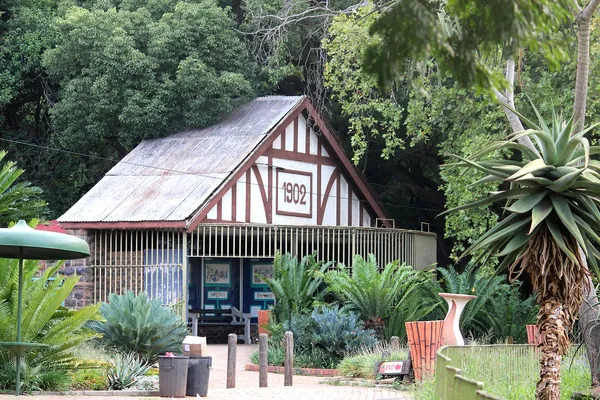
Johannesburg: elephants, and a lake next door
The Johannesburg Zoo, founded in 1904, keeps over 320 species, about 2,000 animals in all. Its carnivores include lions, tigers, leopards and hyenas; its primates include chimpanzees, baboons and lemurs; and its herbivores run from elephants, rhinos and giraffes to impala and eland. There is also an aquarium with fish and stingrays, and a reptile section with snakes, crocodiles and tortoises. It is one of the few places in the world with white lions, which it has bred successfully.
The elephants are the headline difference. Lammie, 47, Ramadiba, 28, and Mopane, 26, were the last three elephants still kept in a traditional South African zoo when AFP reported on them in July 2026, and campaigners have asked a court to order their release to a sanctuary. Judgment was expected within weeks of that report, so if the elephants are your reason for going, check the news before you travel.
The zoo's guided tours include a popular ferry-style game drive, and its fee list has a ferry ride at R8 on weekdays and R14 at weekends. Zoo Lake, a public park opposite the zoo, is popular for picnics, walks and boat rides if you want to stretch the day.
Featured location Johannesburg City Parks and Zoo Johannesburg, South Africa WAZAWAZA-WP The collection runs to roughly 2,000 animals across 320 species, and management has customarily rested with the city council.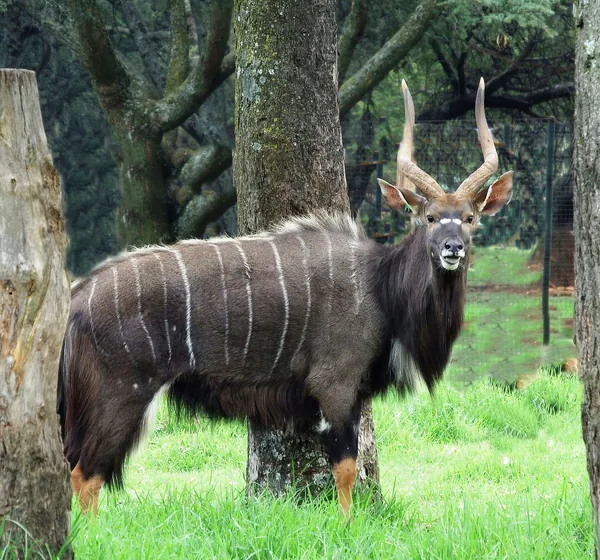
Safety
Both zoos spell out their security arrangements. In Pretoria, security personnel are on duty 24 hours a day, and security staff work at all the parking areas. Johannesburg has its own zoo security line (011 646 2000, extension 230) and a parkade, opened in 2017, for 700 cars and 15 buses. The City of Johannesburg is frank about its parks and the zoo:
Safety in these facilities is a collective effort and although JCPZ takes safety in parks seriously, we cannot guarantee complete safety.
Its advice is worth following at either zoo: walk in groups, avoid carrying much cash, keep valuables secure and leave nothing visible in your locked car.
Golf carts, wheelchairs and children
Both zoos rent golf carts on a first-come, first-served basis, with no pre-booking and a valid driving licence required. In Pretoria a four-seater costs R180 an hour and a six-seater R210, plus a R200 deposit, though not every exhibit can be reached by cart. In Johannesburg prices run from R170 an hour for two seats to R350 for eight.
If you rely on a wheelchair, note that Johannesburg's wheelchair service is suspended until further notice; in Pretoria, most areas and restrooms are wheelchair accessible. For children, Johannesburg's amusement park opens at weekends, on public holidays and in school holidays, and the zoo runs holiday programmes for ages 7-13. In Pretoria, under-2s get in free.
Food is handled differently too. Pretoria has a cafeteria, four snack kiosks, a sit-down restaurant and braai facilities at the picnic area beside the Apies River. Johannesburg welcomes your own picnic but does not allow braais, alcohol, balloons or pets.
Tickets and saving money
Prices as of September 2026:
- Pretoria: R120 for adults and R85 for children aged 2-17 at the gate, or R110 and R75 online; under-2s free, students and pensioners over 60 R85, differently abled visitors R80. Parking is R40 per vehicle.
- Johannesburg: R135 for adults and R81 for children and senior citizens, on the price list valid from 1 July 2026 to 30 June 2027; students pay R81 on weekdays with a student card, and differently abled visitors R52. Parking is R20 per car.
Think about how you will pay. Pretoria has not accepted cash since 1 January 2026, and Johannesburg has no ATM, so do not count on drawing cash at the gate.
Pretoria marks its birthday in October. All tickets were half price every day in October 2025, and from 17 to 31 October 2024 prices were halved daily and the first 125 visitors got in free each weekend. South African citizens and residents also had free weekday entry during National Gardens Week, from 9 to 13 March 2026. If you will come back, adopting an animal costs R150 to R1,230 a year and includes free entrance tickets.
In Johannesburg, an annual pass costs R1,027 for an adult and R626 for a child, with unlimited entry for a year and free parking.
Getting there
The Gautrain links the two cities, and the ride from Pretoria station to Johannesburg's Park Station takes 35 minutes, so you can reach either zoo from a base in the other city. Pretoria's Gautrain station sits next to Pretoria Main Station, close to the central business district. The zoo itself is at 232 Boom Street, with parking opposite and at the main entrance and on the corner of Paul Kruger and Boom Streets.
The Johannesburg Zoo is on the corner of Jan Smuts Avenue and Upper Park Drive in Parkview, and its main public entrance is on Upper Park Drive. Jan Smuts Avenue passes the zoo and runs through Rosebank, whose Gautrain station is underground beneath Oxford Road, opposite The Zone shopping centre.
Best time to visit
Both zoos open every day, public holidays included. Pretoria sells tickets from 09:00 to 16:30 and closes at 17:30. Johannesburg is open 08:30 to 17:30, with last entry at 16:00. Arrive early at either, and especially in Pretoria, where there is more ground to cover. If you run, Johannesburg's Zoo Trot is a 5 km or 10 km walk or run inside the zoo on the second Sunday of every month, starting at 07:30, with tickets sold at the gate.
Johannesburg's summer, October to April, brings hot days with afternoon thundershowers, so see the outdoor enclosures in the morning. Winter, May to September, brings dry, sunny days and cold nights. The summer UV index is extreme, often reaching 14-16, so pack hats and sunscreen whatever the temperature.
October has extra pull in Pretoria: the city's roughly 70,000 jacarandas flower purple, and the zoo ran half-price anniversary tickets in October 2024 and October 2025. For quieter paths, avoid the school holidays: in the 2026 public school calendar, term 3 ends on 23 September and term 4 runs from 6 October to 9 December.
Other wildlife nearby
Neither zoo replaces a reserve. Dinokeng Game Reserve in Gauteng has the Big Five, including the elephants Pretoria no longer shows, and is a 40-minute drive from Pretoria or 75 minutes from Johannesburg. Closer in, Rietvlei Nature Reserve in southern Pretoria covers about 4,000 hectares, with cheetah, buffalo, hippopotamus and leopard among its large mammals. On the Johannesburg side, a pair of Verreaux's eagles has bred at the Walter Sisulu National Botanical Garden in western Roodepoort since 2020.
Frequently asked questions
- Pretoria Zoo or Johannesburg Zoo: which is better?
It depends on what you want. Pretoria is bigger: South Africa's largest zoo, 85 hectares, with an aquarium and a reptile park on site. Johannesburg is smaller at 55 hectares, and of the two it is the only one with elephants.
- Is Pretoria Zoo still operating?
Yes. It is open 7 days a week, 365 days a year, selling tickets from 09:00 to 16:30 and closing at 17:30. It has not accepted cash since 1 January 2026, so bring a card or buy online.
- Is Johannesburg Zoo safe?
The zoo has its own security line (011 646 2000, extension 230) and a 700-car parkade. The City of Johannesburg says it cannot guarantee complete safety in its parks and zoo, and asks you to walk in groups, keep valuables secure and leave nothing visible in your car.
Plan your visit to South Africa
See all 10 zoos, aquariums and wildlife attractions in South Africa, with opening hours, ticket prices and accreditation.
Browse South AfricaMore guides
-
 Family Travel
Can You Feed the Giraffes at Giraffe House?
What Giraffe House's own site says about feeding its giraffes, farmyard sessions and prices, plus Exotic Animal World nearby. -
 Trip Planning
Is uShaka Marine World Worth Visiting?
What uShaka Sea World's shows, sharks and shipwreck aquarium cost and deliver, and when Mitchell Park Zoo is the better, shorter stop. -
 Trip Planning
Is Hurghada Grand Aquarium Worth It? What to Expect Before You Go
What Hurghada Grand Aquarium costs, what you will see in its tunnel and mini zoo, how long to allow, and when to go to catch the shark feeding.